
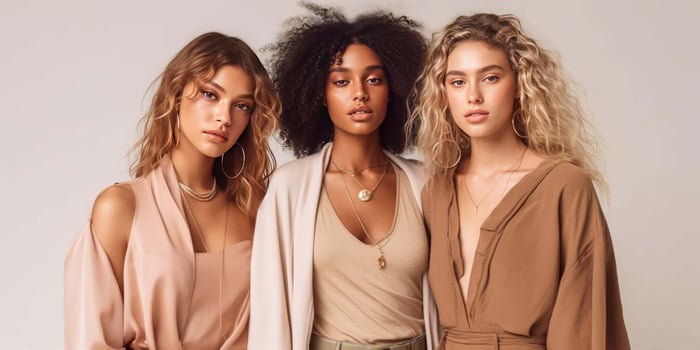
 Clean fashion meets everyday comfort — sustainable style designed for a modern lifestyle.
Table of Contents
- Introduction: Clean Fashion and the Rise of Conscious Style
- Brand 1: Everlane — Radical Transparency in Everyday Essentials
- Brand 2: Reformation — Feminine, Fierce, and Planet-Positive
- Brand 3: Patagonia — The Blueprint for Ethical Fashion
- Brand 4: Kotn — The Canadian Classic for Conscious Minimalists
- Brand 5: Pangaia — Science Meets Sustainability
- Conclusion: Clean Fashion Is the Future of Style
- FAQs
Introduction: Clean Fashion and the Rise of Conscious Style
“Clean fashion” isn’t just another buzzword—it’s the next chapter of fashion with a conscience. Rooted in ethical fashion, zero-waste design, and fair-trade clothing, clean fashion challenges fast fashion’s wasteful legacy and reimagines style through transparency, minimalism, and sustainability.
For Gen Z, clean fashion isn’t optional—it’s identity. From campus fits to coffee runs, conscious consumers are curating wardrobes that look good, feel better, and do good for the planet. It’s fashion stripped of excess—where fabric choices, labor ethics, and production footprints matter just as much as the fit.
At EcoBear Wear, we champion this new wave. Our streetwear-inspired silhouettes are crafted from TENCEL™ Lyocell and other biodegradable fabrics made ethically in Canada—proof that sustainability and style can coexist.
Brand 1: Everlane — Radical Transparency in Everyday Essentials
Everlane’s Mission: Making Honesty Cool Again
Everlane built its clean-fashion reputation on two words: radical transparency. From the factory floor to the final price tag, every detail is open for consumers to see. This commitment goes beyond aesthetics—it’s a promise that ethical fashion can be both accessible and aspirational.
Each Everlane piece carries a “true cost breakdown,” revealing materials, labor, and transport costs. By demystifying pricing, Everlane invites Gen Z to shop consciously, knowing that fair-trade practices and responsible sourcing are non-negotiable.
Circular Economy and Sustainable Materials
Everlane is a pioneer in the circular fashion economy—transforming recycled plastics into sleek wardrobe staples. The brand’s ReNew Collection repurposes millions of discarded bottles into minimalist puffers and outerwear, proving sustainability doesn’t have to compromise design.
In 2025, Everlane committed to eliminating virgin plastic and integrating certified organic cotton, TENCEL™ Lyocell, and recycled nylon across its line. Each step echoes the clean-fashion ethos: minimal waste, maximum impact.
 Everlane is known for its clean fashion aesthetic, combining minimalist design with modern sustainable essentials.
Why Gen Z Loves It
Transparency, quality, and comfort—three values Gen Z refuses to compromise. Everlane aligns perfectly with the slow-fashion mindset: buy less, choose well, and keep it longer. Their Instagram aesthetic—neutral palettes, soft fabrics, effortless layering—mirrors the clean-girl fashion look dominating feeds worldwide.
By bridging sustainability and minimal streetwear, Everlane proves that being eco-conscious isn’t just trendy—it’s timeless.
Brand 2: Reformation — Feminine, Fierce, and Planet-Positive
The Reformation Revolution
If Everlane stands for transparency, Reformation represents transformation. Founded in 2009, Reformation turned deadstock fabrics and rescued vintage clothing into modern, flirty silhouettes. The brand’s motto, “Being naked is the #1 most sustainable option—Reformation is #2,” captures its playful yet purposeful tone.
Its commitment to zero-waste fashion is unmatched. Every design begins with fabric impact tracking, and each garment includes a “RefScale” label showing carbon, water, and waste savings—making sustainability as visible as the stitching.
 Reformation blends clean fashion with trend-focused sustainable design for a modern wardrobe.
Sustainability as a Love Language
Reformation weaves ethical fashion into every seam. The brand’s LA-based factories are powered by renewable energy and ensure fair-trade working conditions—a rarity in the apparel industry. By investing in green infrastructure and local jobs, Reformation embodies what clean fashion means: accountability from creation to checkout.
Its collections feature TENCEL™, ECONYL® nylon, and organic cotton, bridging the gap between luxury fashion and environmental ethics. Reformation’s storytelling—filled with humor, authenticity, and radical honesty—has made it a cult favorite among Gen Z eco-influencers.
The Clean-Girl Fashion Connection
Reformation’s vibe aligns perfectly with the clean-girl aesthetic—sleek hair, natural tones, minimal accessories, and effortless confidence. This aesthetic pairs minimalist values with refined design, creating the visual language of modern sustainability. It’s the look you wear when you care—elegant, ethical, and enduring.
Brand 3: Patagonia — The Blueprint for Ethical Fashion
Patagonia’s Roots in Responsibility
Before “clean fashion” became a hashtag, Patagonia was building it into its DNA. Founded in 1973 by Yvon Chouinard, the brand pioneered ethical fashion decades before it was cool. Its mission—“We’re in business to save our home planet”—sets a gold standard for purpose-driven branding.
Patagonia’s timeless outerwear is more than outdoor gear; it’s activism you can wear. From supporting fair-trade clothing cooperatives to funding environmental causes, the brand shows that profit and purpose can coexist beautifully.
Circular Fashion in Action
Patagonia’s Worn Wear program invites customers to repair, reuse, and recycle old gear—an iconic example of the circular fashion economy in motion. By extending a garment’s life, the company minimizes landfill waste while maximizing value. It’s fashion that never goes out of style—or out of season.
Patagonia also experiments with regenerative organic cotton, hemp, and recycled polyester. Every innovation brings us closer to a zero-waste future, where every stitch counts.
 Patagonia is a leader in clean fashion, combining durable outdoor wear with a strong sustainability mission.
Why It Matters to Gen Z
Patagonia has mastered something few brands achieve: authenticity at scale. Its straightforward communication—devoid of greenwashing—resonates with Gen Z consumers hungry for transparency. Whether through recycled fleece jackets or activism campaigns, Patagonia teaches us that clean fashion is about responsibility, not perfection.
For the new generation, buying Patagonia isn’t just a style choice—it’s a statement of values.
Brand 4: Kotn — The Canadian Classic for Conscious Minimalists
A New Standard for Everyday Luxury
Kotn has become synonymous with clean fashion in Canada—combining ethical fashion principles with minimalist design. Based in Toronto, Kotn focuses on crafting timeless essentials from ethically sourced Egyptian cotton. Each piece reflects simplicity, transparency, and purpose, perfectly aligning with EcoBear Wear’s philosophy of less but better.
Kotn’s clean-lined silhouettes—soft tees, crewnecks, and sweatpants—resonate with Gen Z consumers who seek quality over quantity. Every garment tells a story of conscious production, from seed to stitch, grounded in the belief that sustainable clothing should feel as good as it looks.
Ethical Fashion Rooted in Transparency
Unlike fast-fashion brands that prioritize speed over substance, Kotn champions fair-trade clothing and traceability. The brand works directly with cotton farmers in Egypt, providing fair wages, funding literacy programs, and building schools in local communities. This hands-on approach to the supply chain ensures every purchase has a tangible social impact.
Their ethical model redefines the circular fashion economy by focusing on long-lasting design and small-batch production. The goal isn’t endless growth—it’s continuous improvement. In a world obsessed with trends, Kotn invites you to invest in pieces that last for years, not weeks.
 Kotn focuses on clean fashion through timeless essentials, ethical sourcing, and sustainable craftsmanship.
Why Gen Z Is Obsessed
For Gen Z, zero-waste fashion and authenticity go hand-in-hand. Kotn’s branding is sleek, transparent, and refreshingly honest. There’s no over-polished perfection—just real craftsmanship and community impact. Its clean aesthetic and neutral palette pair effortlessly with the clean-girl fashion look trending across TikTok: natural tones, effortless styling, and eco-minded energy.
Kotn embodies what clean fashion is meant to be: comfort that cares and style that sustains.
Brand 5: Pangaia — Science Meets Sustainability
Fashion for the Future
If Kotn is the conscience of clean fashion, Pangaia is its lab. Known for its science-driven approach to sustainability, Pangaia fuses ethical fashion with biotech innovation. The brand creates materials that don’t just minimize harm—they actively regenerate nature. Think seaweed fiber T-shirts, flower-down puffer jackets, and plant-based dyes that redefine what’s possible in apparel.
Pangaia’s mission goes beyond sustainability—it’s about redesigning the system itself. Each product embodies the circular fashion economy, using recycled and biodegradable materials that return safely to the earth after use. The brand challenges the traditional clothing lifecycle by proving that progress and aesthetics can coexist.
Sustainability in Technicolor
Unlike the muted tones typically associated with eco-fashion, Pangaia celebrates color and creativity. Its bright hoodies, joggers, and tees are made using natural pigments derived from fruits, plants, and minerals—an innovation that makes zero-waste fashion not only responsible but also exciting.
Every Pangaia garment is a conversation starter, featuring subtle printed text detailing its materials and environmental impact. This approach makes sustainability part of the storytelling—educating and empowering customers to choose consciously without sacrificing expression.
 Pangaia combines science, sustainability, and minimalist design to redefine clean fashion.
The Gen Z Connection
Pangaia speaks directly to Gen Z’s eco-tech mindset. Its identity sits at the intersection of innovation, social responsibility, and culture. The brand’s viral presence on social media—endorsed by influencers, activists, and creators—cements it as a beacon of modern sustainability.
By blending biodegradable textiles with fashion-forward design, Pangaia turns clean fashion into a movement. It’s not just clothing—it’s climate action in cotton form.
Conclusion: Clean Fashion Is the Future of Style
From Everlane’s radical transparency to Reformation’s zero-waste glamour, Patagonia’s ethical legacy, Kotn’s minimalist craftsmanship, and Pangaia’s science-led sustainability, these brands define what clean fashion truly means. Together, they prove that the future of fashion doesn’t rely on mass production or disposable trends—it thrives on mindfulness, ethics, and design integrity.
For EcoBear Wear, clean fashion is personal. Our mission to create ethical streetwear made in Canada reflects the same values shared by these pioneers: local craftsmanship, biodegradable fabrics, and a commitment to transparency. Each hoodie, pant, and tee we make is a promise—to the planet, to our customers, and to the generations that follow.
The shift toward clean fashion is more than a movement—it’s a mindset. It’s about rejecting excess, embracing longevity, and choosing comfort that aligns with conscience. As Gen Z continues to lead the charge, one thing is certain: the next era of fashion is clean, conscious, and beautifully sustainable.
FAQs
What does clean fashion mean?
Clean fashion is about creating clothing with care for people and the planet. It focuses on ethical fashion practices, zero waste production, fair trade clothing, and materials that support a circular fashion economy.
How is clean fashion different from fast fashion?
Fast fashion prioritizes speed and profit, often harming workers and the environment. Clean fashion values transparency, quality, and sustainability—ensuring every piece is made responsibly and built to last.
Which brands are leading the clean fashion movement?
Everlane, Reformation, Patagonia, Kotn, Pangaia, and EcoBear Wear are among the top brands pioneering clean, ethical, and circular fashion practices.
Is clean fashion more expensive?
Clean fashion may cost more upfront, but the investment pays off through better quality, longevity, and the positive environmental and social impact behind each purchase.
How can I start building a clean fashion wardrobe?
Start small: choose natural or recycled fabrics, buy from ethical brands, repair or upcycle old clothes, and focus on timeless pieces that align with your values.