
 Fair trade clothing supports ethical production, fair wages, and sustainable fashion choices.
Table of Contents
- Introduction
- What Is Fair Trade Clothing?
- 10 Powerful Benefits of Fair Trade Clothing That Go Beyond the Label
- Every Purchase Empowers Real People
- It Supports Women and Gender Equality
- Eco-friendly fabrics are the foundation of fair trade clothing — blending sustainability, comfort, and conscious craftsmanship.It Champions Environmental Stewardship
- It Promotes Transparent Supply Chains
- Quality That Outlasts Fast Fashion
- It Strengthens Local Communities
- It Reduces Overproduction and Waste
- It Inspires Conscious Consumerism
- It Combats Greenwashing with Real Accountability
- It Builds a Future of Fashion We Can Be Proud Of
- Conclusion: The Style Revolution Starts With You
- FAQs
Introduction
The way we dress is changing. For years, fast fashion has dominated our closets—cheap, trendy, and disposable. But as the true cost of that convenience becomes clear, a new movement is taking over: fair trade clothing. It’s more than just a label—it’s a revolution built on transparency, ethics, and respect for the people who make our clothes.
Today’s conscious consumers—especially Gen Z and Millennials—are choosing to invest in pieces that align with their values. Fair trade isn’t about guilt or sacrifice; it’s about empowerment, quality, and a shared belief that fashion can do better. Whether it’s fair trade women’s clothing, everyday basics, or minimalist streetwear, these garments represent a quiet rebellion against exploitation and waste.
Unlike traditional supply chains—where low costs often come at the expense of human and environmental well-being—fair trade fashion ensures that everyone, from the cotton farmer to the seamstress, is treated fairly. It’s a model that honors craft, community, and sustainability all at once.
In this guide, we’ll break down what fair trade clothing really means, how it works, and why it’s becoming one of the most powerful forces in responsible fashion today.
What Is Fair Trade Clothing?
Fair trade clothing is a movement within the global apparel industry that prioritizes people and the planet over profit. At its core, it ensures that every person involved in creating a garment—from growing the raw materials to sewing the final stitch—is paid fairly and works under safe, ethical conditions.
This approach tackles the root problems of fashion’s dark side: underpaid labor, unsafe factories, and environmental damage. By emphasizing fairness, transparency, and accountability, fair trade clothing offers an alternative model where style and ethics coexist.
 Soft, ethically sourced fabric used in fair trade clothing, captured in natural studio light to highlight sustainable quality.
The Core Principles of Fair Trade Fashion
Fair Wages and Safe Working Conditions
Fair trade certification requires brands and factories to pay living wages—not just minimum wages—and provide safe, respectful working environments. This includes protection from discrimination, harassment, and unsafe exposure to chemicals often used in textile production.
For example, Fair Trade USA’s Textile Standard mandates that factories must ensure equal pay for equal work and allow workers to organize freely. The result? Empowered communities and a workforce with dignity and voice.
Environmental Responsibility
Fair trade clothing also aligns closely with zero waste fashion and sustainable material innovation. Certified brands often use low-impact dyes, recycled fibers, or organic textiles such as TENCEL™ Lyocell, organic cotton, or hemp.
These materials reduce water usage and chemical pollution, helping restore ecosystems harmed by fast-fashion overproduction. This environmental mindfulness connects fair trade principles with responsible fashion—a holistic approach that values circular design and long-lasting quality.
Transparency and Traceability
A fair trade label means that every stage of production—from cotton seed to sewing thread—can be traced. Brands must disclose where their materials come from, how workers are treated, and how waste is managed.
This transparency helps consumers make informed decisions and fosters a culture of conscious consumerism, where shoppers understand the human and environmental impact behind every purchase.
Empowerment of Women and Marginalized Groups
One of the most transformative aspects of fair trade is its focus on women’s empowerment. Across developing nations, garment work is one of the largest sources of employment for women—but often under exploitative conditions.
Fair trade programs ensure access to education, leadership training, and profit-sharing initiatives that strengthen women’s independence and financial security. That’s why searches for fair trade women’s clothing and fair trade clothing women have surged in recent years—shoppers are intentionally seeking pieces that uplift communities, not exploit them.
Community Development
Fair trade premiums—extra funds paid by certified brands—go back into the communities that make the clothing. These funds often support healthcare clinics, clean water systems, or school programs for workers’ families.
When you buy a fair trade hoodie or dress, you’re not just wearing a product—you’re contributing to long-term social impact.
Fair trade clothing challenges the idea that style must come at the expense of ethics. It shows that sustainability and quality can work together—creating timeless garments that respect both people and the planet.
When consumers choose fair trade, they are voting for transparency, empowerment, and meaningful change within an industry long overdue for reform.
10 Powerful Benefits of Fair Trade Clothing That Go Beyond the Label
Every Purchase Empowers Real People
Behind every fair trade label is a story of dignity. Unlike fast fashion, which thrives on exploitation, fair trade clothing ensures fair wages and safe working conditions. The goal isn’t charity — it’s equity.
A certified fair trade factory pays living wages, provides maternity leave, and protects workers from unsafe conditions. That means your new hoodie or dress isn’t built on someone else’s hardship — it’s built on opportunity.
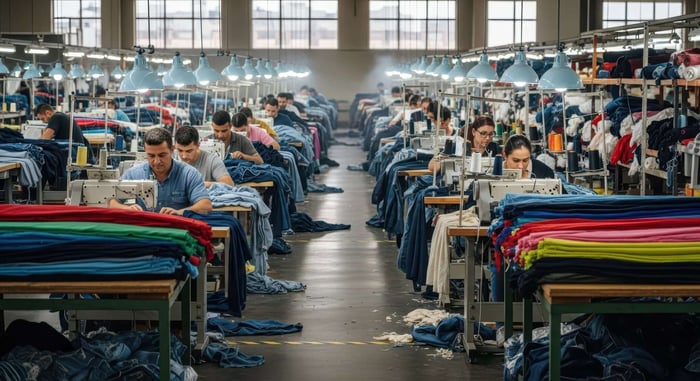 Fair trade clothing empowers garment workers through safe conditions, fair wages, and ethical manufacturing practices.
It Supports Women and Gender Equality
More than 70 percent of garment workers worldwide are women, yet most are underpaid and undervalued. Fair trade women’s clothing brands change that narrative.
They offer training, leadership opportunities, and access to education, giving women in developing countries the tools to build their futures. Every fair trade purchase becomes an act of empowerment — proving that fashion can uplift, not exploit.
Did you know? Many fair trade cooperatives also provide scholarships for workers’ children and reinvest profits into community healthcare — turning clothing into a cycle of social good.
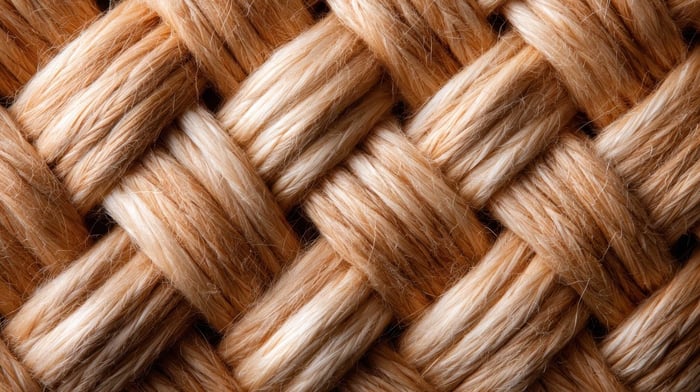 Eco-friendly fabrics are the foundation of fair trade clothing — blending sustainability, comfort, and conscious craftsmanship.It Champions Environmental Stewardship
Eco-friendly fabrics are the foundation of fair trade clothing — blending sustainability, comfort, and conscious craftsmanship.True sustainability means caring for people and the planet. Fair trade fashion minimizes chemical use, protects local water systems, and prioritizes zero waste fashion practices such as recycling fabric offcuts and reusing packaging.
Many fair trade brands use organic cotton, TENCEL™ Lyocell, or recycled fibers, drastically reducing emissions compared to fast-fashion synthetics. The result: clothing that breathes better, feels better, and lasts longer — without polluting ecosystems.
It Promotes Transparent Supply Chains
Transparency isn’t optional anymore — it’s expected. Fair trade clothing brands make their entire production process traceable, from raw materials to sewing floors. This transparency allows conscious consumers to verify that every piece lives up to its ethical claims.
Platforms like Fair Trade USA and WFTO require full audits and factory disclosures. Some newer brands even use blockchain tracking, allowing customers to scan a QR code and see exactly where their garment came from — every fiber, every hand.
Quality That Outlasts Fast Fashion
Fair trade doesn’t just feel better ethically — it feels better physically. These garments are built for longevity, with craftsmanship that values quality over quantity. Workers who are paid fairly can afford to take pride in their work, resulting in sturdier stitching, natural fabrics, and timeless cuts.
For Gen Z consumers drawn to minimalist streetwear and capsule wardrobes, this aligns perfectly with slow-fashion values. Buying one perfect hoodie that lasts five years beats replacing five cheap ones every season.
 Meticulous stitching reflects the quality and care behind every fair trade clothing piece — where craftsmanship meets conscience.
It Strengthens Local Communities
A portion of every fair trade premium goes directly back into local development — funding clean water, healthcare, and education. These community projects create generational change, not just temporary relief.
By purchasing fair trade clothing women love, you’re helping ensure that artisans and their families thrive instead of merely survive. It’s global progress stitched into everyday wear.
It Reduces Overproduction and Waste
Fast fashion is built on excess — overproducing to chase micro-trends. Fair trade brands flip the script. They focus on small-batch production, seasonless drops, and mindful inventory that prevents waste.
This philosophy intersects with zero waste fashion, emphasizing circular design and upcycling. Many fair trade labels now repurpose unsold stock into new collections or accessories — proving creativity can replace waste.
It Inspires Conscious Consumerism
Every purchase is a reflection of our values. As Gen Z consumers, we have the power to shape industries through intentional choices. Fair trade clothing gives meaning to that choice — offering products that mirror a lifestyle of awareness and authenticity.
Choosing fair trade isn’t about perfection; it’s about participation. It’s about asking “Who made my clothes?” and expecting a real answer. This mindset defines the responsible fashion movement that’s transforming the global apparel landscape.
It Combats Greenwashing with Real Accountability
As sustainability becomes a marketing buzzword, greenwashing is rampant. Many brands claim to be “eco-friendly” while still exploiting workers or using unsustainable materials.
Fair trade certification offers a trusted benchmark — independent verification that ensures fair wages, safe labor, and environmental protection. When a brand carries the Fair Trade Certified™ or Fairtrade International seal, you know it’s backed by real accountability.
It Builds a Future of Fashion We Can Be Proud Of
Ultimately, fair trade clothing proves that fashion can evolve without losing its soul. It challenges both brands and consumers to move from mindless consumption to meaningful connection.
As technology advances and conscious design becomes mainstream, fair trade will anchor the shift toward responsible, zero waste fashion — ensuring that ethics, equity, and aesthetics coexist.
Conclusion: The Style Revolution Starts With You
Fair trade clothing isn’t a niche — it’s the new normal. As the next generation of shoppers demands purpose over profit, the industry is listening. From fair trade women’s clothing to gender-neutral streetwear, ethical fashion is no longer a side category; it’s the standard for what comes next.
Choosing fair trade means embracing timeless design, fair wages, and planet-first values — all while looking good doing it. Because when fashion empowers rather than exploits, we all wear it better.
FAQs
What does fair trade clothing mean?
Fair trade clothing means apparel made under ethical and sustainable standards. It ensures fair wages, safe working conditions, and environmentally responsible production from start to finish.
Why should I choose fair trade clothing over fast fashion?
Fast fashion often sacrifices ethics for speed and profit. Choosing fair trade clothing supports workers, reduces waste, and promotes transparency — all while delivering higher-quality, longer-lasting pieces.
Is fair trade clothing only for women?
No. While fair trade women’s clothing is widely available, many fair trade brands now offer gender-neutral and men’s collections focused on sustainability, minimalist design, and responsible fashion.
How is fair trade fashion connected to zero waste?
Fair trade fashion and zero waste fashion share the same mission — reducing environmental harm. Fair trade brands often repurpose scraps, use eco fabrics like TENCEL™ Lyocell or organic cotton, and design smaller, intentional collections.
How can I tell if a brand is truly fair trade?
Look for trusted certifications such as Fair Trade Certified™, Fairtrade International, or World Fair Trade Organization (WFTO). These verify that a brand meets strict ethical, environmental, and social standards — not just marketing claims.