
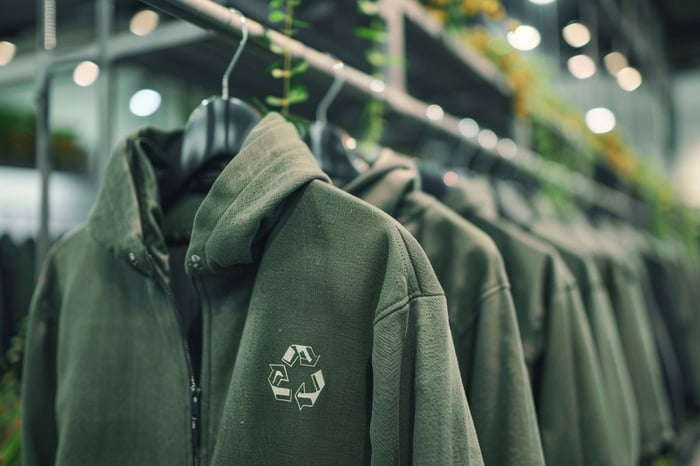
 Discover garments made from recycled materials that combine minimalist style, everyday versatility, and a commitment to more sustainable fashion.
Table of Contents
- Introduction
- Understanding Recycled Materials: From Waste to Wardrobe
- The Rise of Recycled Clothing Companies: How Brands Are Reinventing Fashion
- Fashion Made from Recycled Materials: Where Innovation Meets Aesthetic
- Notable Recycled Clothing Brands Leading the Change
- The Benefits of Choosing Recycled Garments
- Conclusion: Style with a Circular Soul
- FAQs
Introduction
The fashion world is shifting — and it’s not just about trends. It’s about responsibility. More brands are realizing that style doesn’t have to come at the planet’s expense. Enter garments made from recycled materials, the new frontier of sustainable fashion that’s rewriting how clothes are made, worn, and loved.
From bottles turned into breathable activewear to ocean waste reborn as minimalist hoodies, this new wave of circular fashion is more than a movement — it’s a mindset. For Gen Z shoppers who value authenticity, planet-first design, and elevated aesthetics, recycled textiles are the statement piece of the future.
Understanding Recycled Materials: From Waste to Wardrobe
Fashion’s biggest waste problem is finally meeting its match — innovation. The global textile industry has long been criticized for its environmental footprint, but the rise of recycled materials is reshaping that narrative. Understanding how these materials are made gives us a glimpse into fashion’s cleaner, smarter future.
The Science Behind Recycled Textiles
Recycled textiles start with post-consumer or post-industrial waste — things like discarded plastic bottles, old garments, fishing nets, and fabric scraps. These materials are cleaned, shredded, melted (if synthetic), or re-spun (if natural) to create new fibers.
The result? High-performance fabrics that feel premium yet are planet-positive — like Repreve® polyester, made from recycled plastic, or Recover™ cotton, which transforms textile waste into new yarns. These are the invisible heroes behind many modern sustainable collections from brands like Toad & Co, Recover Brands, and Everywhere Apparel.
This process aligns with the principles of circular fashion, a system where resources are continuously reused rather than discarded. In circular fashion, every piece of clothing is designed with its next life in mind — meaning it’s durable, recyclable, and sometimes even biodegradable.
 A circular fashion loop highlights how garments made from recycled materials support a more sustainable apparel industry through reuse, recycling, and responsible production.
Why Recycled Doesn’t Mean Lower Quality
Gone are the days when “eco-friendly” meant “rough” or “unfashionable.” Advances in fiber technology have completely redefined what’s possible. Today, garments made from recycled materials often outperform traditional ones — offering softness, breathability, and longevity without compromise.
Brands like Everywhere Apparel are proving this with 100% recycled cotton tees that rival virgin cotton in comfort and durability. Similarly, Repreve® polyester fabrics have become a staple in performance wear thanks to their moisture-wicking and stretch qualities — ideal for the minimalist, active lifestyles Gen Z embraces.
For EcoBear Wear and like-minded brands, these innovations make it possible to merge premium design with planet-friendly production. This is how slow fashion evolves into smart fashion.
 Premium recycled materials provide the foundation for garments made from recycled materials, combining durability, comfort, and a more sustainable approach to fashion.
The Role of Biodegradable Fabrics in a Recycled Future
While recycled fabrics reduce waste, biodegradable fabrics ensure that whatever remains won’t linger for centuries. Many next-gen materials like TENCEL™ Lyocell, organic hemp, and biodegradable blends complement recycled textiles by closing the loop even further.
Together, they create a hybrid model of sustainability — where recycled and biodegradable fabrics coexist to minimize both production impact and end-of-life waste. This synergy supports the next evolution of streetwear: clothes that return to the earth as gracefully as they came from it.
 Biodegradable and recycled fabrics help create garments made from recycled materials, supporting more sustainable fashion through innovative, eco-conscious textiles.
The Rise of Recycled Clothing Companies: How Brands Are Reinventing Fashion
A decade ago, recycled fashion was niche — today, it’s the norm for forward-thinking brands. From major players to boutique startups, the rise of recycled clothing companies marks a cultural shift toward transparency, accountability, and design innovation.
These brands aren’t just creating clothes — they’re creating systems that challenge everything we know about production, consumption, and waste.
How Circular Fashion Brands Are Changing the Industry
Pioneers like Recover Brands built their identity on a closed-loop system: turning plastic bottles and textile scraps into high-quality tees, hoodies, and joggers. Their model reduces water use, energy consumption, and carbon emissions while maintaining a strong design aesthetic.
Meanwhile, Toad & Co integrates recycled fiber collections across its entire line, proving that sustainability can be stylish, durable, and commercial at scale. The brand’s Recycled Fiber Clothing line uses blends of organic cotton and recycled polyester to produce timeless staples for eco-conscious consumers.
On a global scale, organizations like Fashion Revolution have amplified this shift by highlighting brands that “design out waste” — pushing the industry to adopt circular fashion principles through innovation and activism.
 Leading recycled clothing brands are helping transform the fashion industry by creating stylish, durable garments made from recycled materials that support a more sustainable future.
Gen Z’s Role in Driving the Recycled Fashion Revolution
No generation has demanded change from the fashion industry quite like Gen Z. Known for their eco-consciousness and digital fluency, Gen Z consumers are holding brands accountable — prioritizing values over labels. They want authenticity, sustainability, and versatility in every purchase.
This is why garments made from recycled materials resonate so deeply. They’re not just clothing — they’re an identity statement. Choosing recycled apparel aligns with Gen Z’s broader lifestyle: minimalist, planet-minded, and future-focused.
According to recent consumer studies, over 70% of Gen Z shoppers prefer to buy from sustainable brands, and nearly half are willing to pay more for environmentally responsible products. That demand is reshaping how every major clothing company — from athleticwear to luxury fashion — operates today.
Beyond Hype: The Real Impact of Recycled Clothing Companies
While the marketing around sustainability can sometimes feel performative, many recycled clothing companies are creating tangible, measurable change.
Here’s how:
- Water Savings: Producing garments from recycled materials can save up to 90% of water compared to virgin textile manufacturing.
- Carbon Reduction: Each recycled polyester T-shirt saves roughly 2.5 bottles’ worth of plastic from landfill and cuts carbon emissions by nearly 50%.
- Landfill Diversion: By giving waste a second life, brands help reduce the 92 million tons of textiles discarded annually.
- Innovation Investment: Startups are developing recycled textiles that mimic natural fibers like silk and cashmere — proof that luxury and sustainability can coexist.
These efforts show that sustainability isn’t a side project anymore — it’s the foundation of modern fashion. And with growing consumer demand and stricter environmental standards, recycled clothing companies are setting the new baseline for what “quality” truly means.
The Aesthetic Evolution of Recycled Streetwear
Eco-friendly fashion isn’t limited to beige tones and hemp fabrics anymore. Minimalist design now merges with performance innovation to create recycled streetwear that looks as good as it feels. Think: clean silhouettes, soft textures, muted neutrals, and unisex fits — all crafted with intention.
This shift aligns perfectly with EcoBear Wear’s brand philosophy: sustainability as a design principle, not an afterthought. The new generation of recycled garments proves that being mindful can also be effortlessly cool.
From capsule wardrobes to gender-neutral pieces, recycled streetwear is quietly becoming the uniform of conscious creatives, students, and athletes alike — people who believe that less can truly be more when made right.
The Business Case for Sustainability
What started as an environmental movement has become a strategic business decision. Brands that integrate recycled textiles into their supply chains aren’t just reducing waste — they’re future-proofing their business models.
Investors, regulators, and consumers now reward companies that can prove sustainability metrics. From ESG reporting to ethical certifications, the market is shifting toward measurable impact. For brands like Repreve and Industry of All Nations, transparency has become a competitive advantage.
And for startups, this shift opens doors to innovation. Small brands can now compete with legacy labels by leveraging agility and purpose — turning sustainability into their superpower.
Fashion Made from Recycled Materials: Where Innovation Meets Aesthetic
The next evolution of style is happening quietly — in recycled threads, regenerated fabrics, and waste reborn into wardrobe staples. Garments made from recycled materials are no longer experimental; they’re defining how the future of sustainable fashion looks and feels.
These innovations go beyond environmental responsibility. They’re setting a new creative standard — proving that circular fashion can be as refined, expressive, and wearable as anything on a runway. For Gen Z, who crave authenticity and impact, choosing recycled fashion isn’t just ethical — it’s aspirational.
The Shift Toward Circular Fashion Design
Circular design principles are shaping every stage of modern fashion — from the drawing board to the recycling bin. Designers now create with end-of-life in mind, choosing recycled textiles that can be reused or broken down into new fibers later.
Unlike traditional “take-make-waste” fashion, circular fashion reimagines clothing as part of a loop: wear, repair, recycle, repeat. This is why emerging collections emphasize timeless silhouettes, durable construction, and biodegradable fabrics that won’t harm the planet when discarded.
Luxury and streetwear brands alike are rethinking what “premium” means — focusing on the quality of impact as much as the quality of stitching.
Modern Aesthetics, Minimal Waste
Minimalism and sustainability go hand in hand. Clean lines, neutral palettes, and functional fits are the visual language of the recycled movement.
Today’s minimalist garments — from neutral joggers to sculpted tees — are proof that sustainable fashion doesn’t require compromise. Using recycled fabrics allows designers to focus on form, comfort, and long-term value instead of fast-fashion cycles.
In short, less waste equals more intention. And for Gen Z, intentional fashion is the ultimate flex.
Notable Recycled Clothing Brands Leading the Change
Across the fashion landscape, visionary brands are proving that recycled clothing can be luxurious, performance-ready, and design-forward. They’re rebranding sustainability as the new normal — not an alternative.
Recover Brands: Waste Turned Into Wardrobe
Recover Brands has become a symbol of circular fashion done right. Each garment is made from post-consumer plastic bottles and cotton textile scraps, reducing water and energy use by over 90% compared to traditional manufacturing.
Their process is transparent, local, and zero-waste — showing how recycling can actually scale without sacrificing quality. Recover’s mission: “Nothing new. Everything recovered.”
Toad&Co: Blending Comfort and Consciousness
Toad&Co’s Recycled Fiber Collection exemplifies how style and sustainability can coexist seamlessly. From soft recycled polyester flannels to organic cotton-recycled blends, their pieces embody long-lasting comfort and eco-conscious craftsmanship.
Toad&Co also champions a “wear it out, not throw it out” philosophy — ensuring durability to extend garment lifespans, a cornerstone of circular fashion thinking.
Everywhere Apparel: 100% Recycled Cotton Innovation
Everywhere Apparel is redefining recycled textiles for the modern streetwear era. Their 100% recycled cotton T-shirts feel identical to new cotton but come with none of the environmental guilt.
By reclaiming textile waste from cutting floors and old garments, they’ve built a closed-loop model that supports local production and zero waste. Their message resonates deeply with Gen Z minimalists who want sustainability without sacrificing aesthetics.
Repreve: Engineering the Future of Fabric
Repreve® is one of the world’s most recognized names in recycled textile technology. Their fibers, made from billions of plastic bottles, are used by global brands like Patagonia, Nike, and H&M.
Beyond performance, their fabrics are breathable, durable, and traceable — each garment even comes with a fiber print certification to verify authenticity. Repreve’s innovation represents the bridge between eco-engineering and high-performance fashion.
Industry of All Nations & Recycled Clothing Startups
Brands like Industry of All Nations and newer independent labels are elevating the sustainable streetwear space with limited, ethically made drops using biodegradable fabrics and recycled fibers.
Their designs embody a global-local balance — inspired by craftsmanship, powered by transparency, and styled for everyday minimalism.
The Benefits of Choosing Recycled Garments
Choosing garments made from recycled materials isn’t just an environmental statement — it’s a lifestyle choice that aligns ethics, aesthetics, and innovation.
1. Lower Environmental Impact
Recycled fabrics save significant amounts of energy, water, and raw materials. For instance, recycled polyester reduces carbon emissions by up to 50%, and recycled cotton eliminates the need for water-intensive farming.
By diverting textile waste from landfills, recycled garments cut down on pollution, microplastics, and the overproduction that fuels fast fashion.
2. Circular Fashion Longevity
When you invest in recycled pieces, you support the circular fashion loop — products designed for long life and easy reintegration into future garments. This cycle ensures that what’s made today won’t become waste tomorrow.
Durability is key here. High-quality recycled textiles are built to last, encouraging wearers to buy less but better — a concept at the heart of minimalist, Gen Z-conscious living.
3. Innovation-Driven Design
Recycled materials are driving innovation in both fashion and science. Biodegradable fabrics derived from natural cellulose or seaweed fibers are now being combined with recycled synthetics for hybrid designs that push boundaries.
These innovations allow for breathable, moisture-wicking, and performance-ready clothing — merging eco-engineering with lifestyle functionality.
4. Ethical and Transparent Production
Transparency matters more than ever. Recycled garment brands often provide full supply-chain visibility — showing how and where their textiles are made.
This openness appeals strongly to Gen Z, who value authenticity over advertising. Every recycled hoodie or tee purchased contributes to a global shift toward accountability in fashion.
Conclusion: Style with a Circular Soul
The rise of garments made from recycled materials represents more than a trend — it’s a movement toward harmony between creativity and conscience. Circular fashion, recycled textiles, and biodegradable fabrics are rewriting what it means to dress with purpose.
For the next generation, fashion isn’t about owning more — it’s about choosing better. Every recycled piece tells a story of reinvention, responsibility, and resilience.
In a world overflowing with excess, true luxury is found in restraint — in garments designed to last, crafted from the remnants of yesterday, and made for the mindful wardrobes of tomorrow.
FAQs
Are garments made from recycled materials really sustainable?
Yes — when created responsibly, garments made from recycled materials significantly reduce waste, energy use, and carbon emissions. By reusing existing resources instead of producing new fibers, recycled textiles cut down on pollution and water waste, making them a key part of circular fashion.
What are the most common materials used in recycled clothing?
The most popular recycled textiles include polyester made from plastic bottles, regenerated nylon from fishing nets, and recycled cotton from textile waste. Many brands also blend these with biodegradable fabrics like TENCEL™ Lyocell or organic hemp to increase softness and sustainability.
How can I tell if a garment is truly made from recycled materials?
Check the fabric label and brand transparency. Authentic recycled garments often include certifications like Global Recycled Standard (GRS) or Repreve® verification. Reputable brands share clear details about material sourcing, recycling processes, and supply chain impact.
Do recycled fabrics feel different from regular ones?
Not anymore. Modern recycled textiles are engineered for comfort, stretch, and breathability. Advances in fiber technology mean these materials can match — and often surpass — traditional fabrics in softness and durability while maintaining their eco-friendly edge.
Why should I choose recycled clothing over fast fashion?
Fast fashion thrives on overproduction and waste, while recycled fashion champions longevity and intention. Choosing garments made from recycled materials supports the planet, reduces landfill waste, and aligns with a lifestyle that values conscious style over constant consumption.