
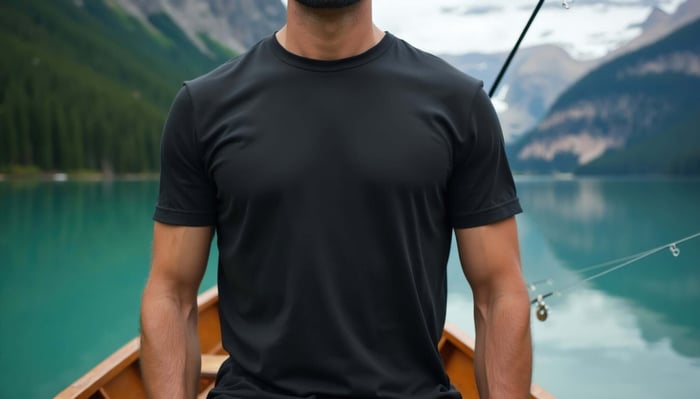
 Experience all-day comfort with soft, breathable healthy fabric clothing made for movement, wellness, and sustainable style.
Table of Contents
- Introduction
- Understanding Healthy Fabric: What It Really Means in 2025
- Types of Healthy Fabrics (From Natural to High-Performance)
- TENCEL™ Lyocell — The Gold Standard of Modern Healthy Fabric
- Organic Cotton — The Clean, Breathable Classic
- Hemp — The Regenerative Powerhouse
- Bamboo Lyocell — Softness Without the Chemicals
- Linen — The Timeless, Airy Essential
- Recycled Fabrics — Clean When Certified
- Non-Toxic Technical Fabrics — Performance Without the Harm
- The Importance of Sustainability in Healthy Fabric
- Practical Applications of Healthy Fabric
- Conclusion
- FAQs
Introduction
In a world where fast fashion dominates closets and synthetic fibers quietly irritate skin, the idea of choosing healthy fabric has transformed from a niche sustainability trend into a Gen Z priority. Today’s conscious consumer wants to know what’s inside their clothing, how it affects their wellness, and what impact it leaves on the planet. These questions aren't just smart—they’re essential. As wellness merges with fashion, the push toward eco-friendly fabrics, non toxic fabric options, moisture-wicking fabrics, and sustainable textiles is redefining what high-quality clothing means.
At EcoBear Wear, our premium minimalist streetwear is built on nature-first materials like TENCEL™ Lyocell—chosen for its buttery softness, breathability, and gentle, chemical-free feel. To understand why healthy fabrics matter, let's break down the concept and explore which materials truly support your skin, lifestyle, and the environment.
Understanding Healthy Fabric: What It Really Means in 2025
Healthy fabric is more than an aesthetic choice. It’s a wellness choice, a sustainability decision, and a new standard for Gen Z style. Competitors like Mate the Label, Core Fabrics, and research hubs like Interior Medicine’s non-toxic textile guide have helped expose the truth: not all fabrics are created equal. Some nourish your skin. Others drown it in chemicals.
The Core Meaning of Healthy Fabric
Healthy Fabric = Good for Your Skin + Good for the Planet
For a fabric to be considered healthy, it must meet two non-negotiable criteria.
1. It must support skin health
This means avoiding:
• PFAS (“forever chemicals”)
• Petroleum-based synthetics
• Toxic dyes and softeners
• Harsh solvents
• Formaldehyde and flame retardants
• Heavy metals
• Chemical finishes
Research from Interior Medicine’s non-toxic ratings shows that many everyday fabrics contain residues known to trigger skin irritation, acne, hormonal disruption, or allergies. Healthy fabrics remove these risks by eliminating unnecessary chemicals.
Your clothes touch your skin all day. They shouldn’t irritate it—they should support it.
2. It must protect the planet
Healthy fabric is eco-conscious by design, meaning:
• minimal water waste
• regenerative farming
• responsible processing
• low-impact dyes
• biodegradability
• worker-safe manufacturing
If it harms the environment, it will eventually harm people. Eco-friendly fabrics ensure clean ecosystems and cleaner wardrobes.
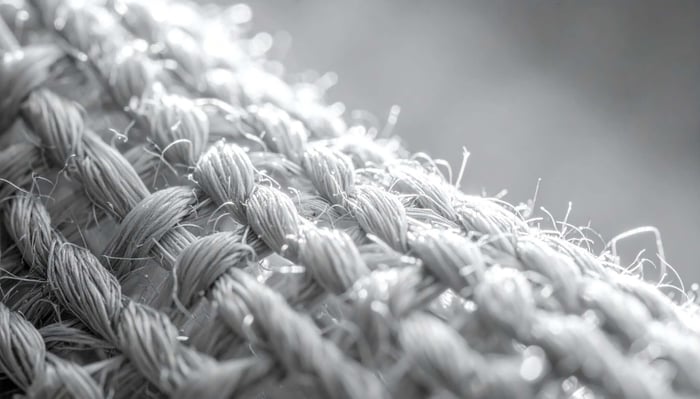 Discover the beauty of healthy fabric through natural textile fibers crafted for comfort, breathability, and eco-conscious living.
Why Gen Z Is Leading the Healthy Fabric Movement
Gen Z is the most sustainability-aware generation ever recorded. You’ve seen the documentaries, read Reddit threads discussing the best fabric choices, and watched brands greenwash their way into temporary relevance. You want proof, transparency, and alignment with your values.
Gen Z prefers:
• natural, breathable, non toxic fabric
• transparent sourcing
• minimalist wardrobe staples
• pieces that last
• low-impact production
• products that feel good ethically and physically
Healthy fabric checks every box. It’s not just clothing—it’s personal wellness, climate activism, and self-expression in one.
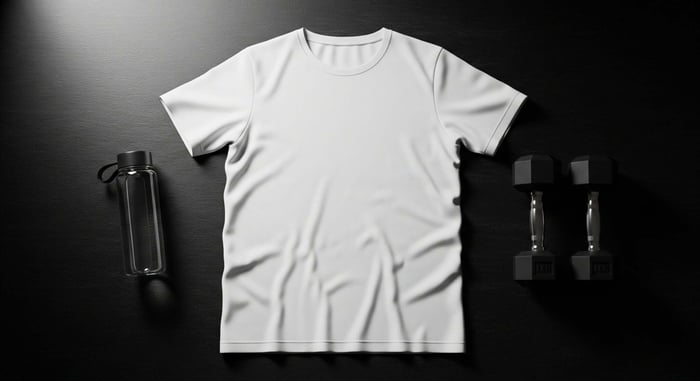 Healthy fabric clothing designed for comfort, breathability, and everyday sustainable style in a clean flat lay presentation.
How Healthy Fabric Improves Daily Comfort
When compared to synthetics, healthy fabrics consistently outperform in comfort and functionality:
• better breathability
• superior moisture-wicking qualities
• natural antimicrobial properties
• temperature regulation
• long-lasting softness
• less odor retention
• reduced skin irritation
Healthy fabric isn’t just good for you—it feels insanely good on you.
Types of Healthy Fabrics (From Natural to High-Performance)
The healthiest fabrics fall into a few core families: natural fibers, regenerated cellulose fibers, and non-toxic performance textiles. These include some of the best eco-friendly fabrics recommended across platforms like Two Sisters Eco Textiles, EcoCult, Mate the Label, and sustainability subreddits.
TENCEL™ Lyocell — The Gold Standard of Modern Healthy Fabric
If there’s a single fabric that defines premium, healthy clothing in 2025, it’s TENCEL™ Lyocell. This is the hero fiber behind EcoBear Wear’s pieces because it balances sustainability, comfort, and skin-friendly performance better than almost anything else.
Why TENCEL™ Lyocell Is a Healthy Fabric Superstar
• naturally antimicrobial
• moisture-wicking and breathable
• ultralight and hypoallergenic
• biodegradable and compostable
• low water usage compared to cotton
• made in a closed-loop system (99% solvent recovery)
• no toxic chemicals or residues
• soft enough for sensitive skin and eczema
It’s derived from FSC-certified wood pulp, making it a regenerated cellulose fiber that feels luxurious but leaves a minimal footprint.
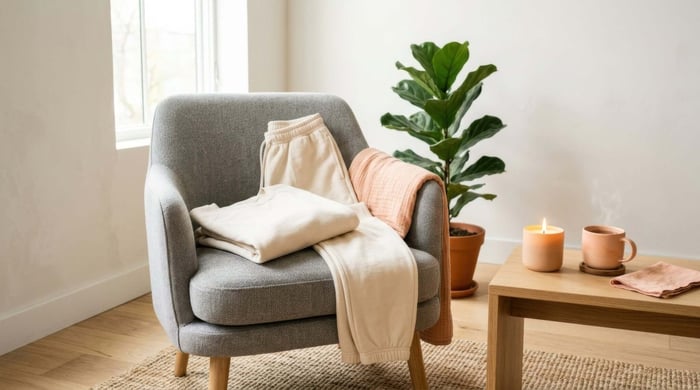 Relax in minimalist healthy fabric loungewear designed with breathable comfort, clean style, and sustainable everyday wear in mind.
Organic Cotton — The Clean, Breathable Classic
Organic cotton is grown without toxic pesticides, GMOs, or chemical fertilizers. Unlike conventional cotton (one of the world’s most chemically treated crops), organic cotton focuses on soil health, water conservation, and plant purity.
Why Organic Cotton Is Healthy for Skin and Planet
• breathable
• soft and non-irritating
• safer for farm workers
• free from chemical residues
• biodegradable
• ideal for basics
It’s one of the safest choices for anyone with sensitive skin.
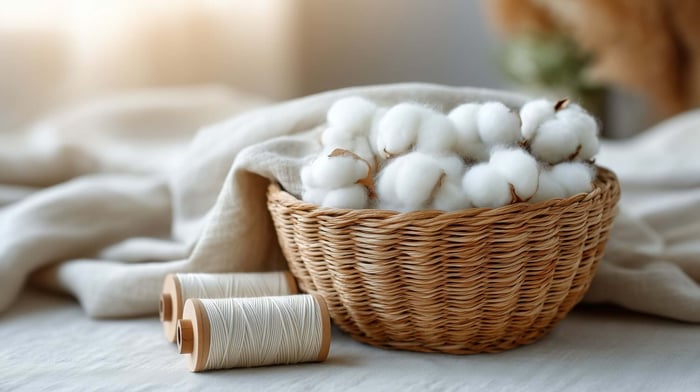 Raw cotton fibers are the foundation of healthy fabric clothing, offering natural softness, breathability, and eco-conscious comfort.
Hemp — The Regenerative Powerhouse
Hemp is one of the most planet-friendly crops available. It enriches soil, requires little water, and grows without synthetic pesticides or fertilizers.
Why Hemp Is a Top Healthy Fabric Choice
• naturally antimicrobial
• ultra-breathable
• UV-resistant
• extremely durable
• biodegradable
• improves soil health through phytoremediation
It has a textured, earthy feel that softens with each wear—perfect for premium streetwear and sustainable everyday pieces.
Bamboo Lyocell — Softness Without the Chemicals
Not to be confused with bamboo viscose (which uses harsh chemicals), bamboo lyocell is created through an eco-conscious closed-loop process similar to TENCEL™.
Benefits of Bamboo Lyocell
• moisture-wicking
• breathable
• antibacterial
• silky-soft
• naturally hypoallergenic
It’s ideal for people with sensitive skin or eczema.
Linen — The Timeless, Airy Essential
Linen is one of the healthiest fabrics ever created. Made from flax, it’s naturally breathable, airy, and antibacterial.
Why Linen Makes the Healthy Fabric List
• zero pesticides needed
• fully biodegradable
• strong and long-lasting
• regulates body temperature
• highly breathable
Linen is perfect for warm climates and minimalist wardrobes.
Recycled Fabrics — Clean When Certified
Recycled cotton, modal, wool, and synthetics can be healthy options when they are properly certified and responsibly processed.
Look for Certifications Like
• GRS (Global Recycled Standard)
• OEKO-TEX
• Bluesign
These labels ensure the materials meet strict health and safety standards.
Non-Toxic Technical Fabrics — Performance Without the Harm
Many new performance fabrics are engineered to be PFAS-free, BPA-free, and free from toxic finishes. These are great for activewear where moisture-wicking fabrics and durability matter.
Why These Can Be Considered Healthy Fabrics
• no forever chemicals
• high performance
• designed for sweat and movement
• low emissions manufacturing in newer processes
When used alongside natural fibers, they can round out a functional wardrobe.
The Importance of Sustainability in Healthy Fabric
Sustainability isn’t a bonus anymore — it’s the baseline. Every competitive source in the SERP, from Core Fabrics to Two Sisters Eco Textiles and EcoCult, emphasizes sustainability as the foundation of truly healthy textiles. Gen Z is leading this shift because you're conscious, informed, and unwilling to settle for materials that harm your skin or the planet.
Sustainable Textiles Protect the Planet From Chemical Damage
According to credible sources like Interior Medicine’s textile ratings and eco-fabric guides from Rare & Fair, conventional fabrics contain harmful substances including formaldehyde, petroleum coatings, PFAS, azo dyes, and microplastics. These chemicals don’t just irritate your skin — they pollute waterways, endanger workers, and persist in ecosystems for decades.
Healthy fabric eliminates or drastically reduces these toxins by:
• using natural, biodegradable fibers
• choosing low-impact or plant-based dyes
• eliminating petroleum-derived textiles
• reducing microplastic shedding
• focusing on renewable and regenerative resources
• prioritizing safe working conditions
This aligns with what Gen Z values most: transparency, low environmental impact, and long-lasting quality.
Tradeoffs: Fast Fashion vs. Healthy Fabric
Healthy fabrics like TENCEL™ Lyocell, organic cotton, hemp, linen, and recycled fibers offer:
• lower CO₂ emissions
• drastically lower water use
• minimal chemical processing
• long-term durability
• biodegradable end-of-life outcomes
By contrast, fast fashion synthetics (polyester, nylon, acrylic) are:
• petroleum-based
• non-biodegradable
• microplastic-shedding
• often coated in toxic finishes
• more likely to irritate skin
Competitors like Mate the Label emphasize the impact of avoiding synthetics — and EcoBear Wear takes this even further by avoiding them entirely in core collections.
Healthy Fabric as a Gen Z Sustainability Identity
For Gen Z, clothing isn’t just clothing. It’s a reflection of ethics, activism, wellness, and future-building. When you choose healthy fabric, you choose:
• transparency over greenwashing
• long-lasting quality over disposability
• values-driven brands over mass production
• better skin health over irritants
• less waste over weekly hauls
This aligns with the rising minimalist streetwear aesthetic — versatile pieces, muted colors, premium-feel materials, and timeless silhouettes. EcoBear Wear exists right inside this movement, crafting apparel that supports your identity, not just your outfit.
Practical Applications of Healthy Fabric
Now that healthy fabrics are becoming mainstream in sustainable fashion stores, Reddit sewing communities, and ethical brands, the next question is: How do you actually use them in everyday life?
This section covers the real-world use cases of healthy fabric in fashion, lifestyle, interiors, and wellness.
Everyday Clothing That Supports Skin Health
Healthy fabric is ideal for daily essentials — tees, hoodies, joggers, loungewear, and base layers — because these items sit closest to your skin. Antimicrobial fabrics and moisture-wicking fabrics like TENCEL™ Lyocell are perfect for preventing odor buildup and reducing irritation.
Examples of ideal use cases:
• daily tees that won’t cause breakouts
• moisture-wicking hoodies that stay fresh after long wear
• breathable pants for work-from-home days
• no-itch, no-rash base layers for winter
• streetwear pieces that stay soft and non toxic
Activewear and Performance Streetwear
Healthy fabrics outperform synthetics in active environments when chosen correctly. TENCEL™ Lyocell, bamboo lyocell, and hemp blends offer:
• naturally antimicrobial properties (fewer odors)
• moisture-wicking capabilities
• temperature regulation
• fast drying
• reduced friction
• hypoallergenic comfort during workouts
These benefits are heavily discussed in Reddit athletic clothing threads — especially by people with sensitive skin.
Home Textiles and Interior Applications
Healthy fabric also matters in your home. Interior Medicine’s non toxic fabric guide proves how much exposure your body has to textiles daily.
Ideal home uses include:
• bed sheets and pillowcases (reduced acne, better sleep)
• blankets and throws
• curtains
• dining textiles
• sofa covers
• baby clothing and nursery textiles
Using non toxic fabric in home textiles reduces your exposure to chemicals and supports long-term wellness.
Sensitive Skin or Allergy-Friendly Applications
Healthy fabrics shine for users with:
• eczema
• psoriasis
• acne-prone skin
• sensitivity to synthetic dyes
• sensitivity to fragrance or chemical finishes
Natural and sustainable textiles minimize triggers, making them the garment world's version of clean skincare.
Minimalist Wardrobes and Capsule Closets
Healthy fabrics align perfectly with capsule wardrobe philosophy:
• fewer pieces
• higher quality
• neutral tones
• long-lasting materials
• timeless silhouettes
• versatility across seasons
This is exactly where EcoBear Wear thrives — our clean lines, monochrome palette, and elevated materials are crafted for minimalist Gen Z wardrobes.
Travel, Lifestyle, and Long-Wear Scenarios
Healthy fabrics are ideal for travel-friendly pieces:
• lightweight tees that don’t smell
• wrinkle-resistant pants
• breathable travel loungewear
• temperature-regulating layers
• clothing that doesn't need constant washing
TENCEL™ Lyocell is especially popular for travel because it remains fresh for long periods and packs extremely well.
Conclusion
Healthy fabric is more than a fashion choice — it’s a movement toward cleaner living, transparent materials, and long-term sustainability. While competitors like Core Fabrics and Mate the Label highlight the importance of eco-friendly materials, EcoBear Wear takes this vision further by designing minimalist, premium streetwear rooted in non toxic fabric, sustainable textiles, and materials that support both your skin and the environment.
Whether you’re building a minimalist wardrobe, choosing activewear, outfitting your home, or simply trying to support brands aligned with your values, healthy fabric delivers on comfort, ethics, and performance. It helps you express your identity without compromising your wellbeing — and that’s exactly what modern fashion should do.
FAQs
What is healthy fabric?
Healthy fabric refers to clothing materials made without toxic chemicals, harsh dyes, PFAS, or petroleum-based coatings. These fabrics are gentle on skin, breathable, and aligned with eco-friendly, sustainable textile standards.
Why is healthy fabric better for skin?
Healthy fabric reduces irritation, sensitivity, and breakouts because it avoids chemical finishes and synthetic toxins. Materials like TENCEL™ Lyocell and organic cotton are naturally hypoallergenic, antimicrobial, and breathable.
Which fabrics are considered the healthiest?
Top healthy fabrics include TENCEL™ Lyocell, organic cotton, hemp, bamboo lyocell, and linen. These materials are biodegradable, moisture-wicking, non toxic, and offer superior comfort compared to synthetic options.
Is healthy fabric more sustainable than regular fabric?
Yes. Healthy fabrics use cleaner production methods, require fewer resources, reduce microplastic pollution, and minimize chemical waste—making them far more sustainable than traditional synthetics.
How do I know if a fabric is non toxic?
Look for certifications like OEKO-TEX, GOTS, Bluesign, or FSC. These labels guarantee the fabric is free from harmful chemicals, safe for skin, and compliant with strict sustainability standards.