
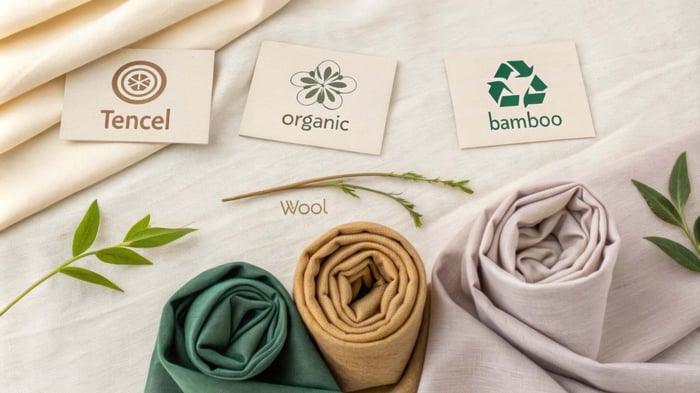
 Soft you can see. Comfort you can feel.
Tencel fabric that does both 🌱
Table of Contents
Fashion’s future isn’t synthetic — it’s sustainable, breathable, and built to last. Tencel fabric has become the go-to material for a new generation that values comfort and consciousness equally. You’ve probably seen it on tags or trending in capsule wardrobe videos, but what makes this fabric so special? From its eco-friendly origin to its buttery-soft texture, Tencel bridges the gap between performance and planet — perfectly aligning with the slow-fashion mindset that defines EcoBear Wear.
What Is Tencel Fabric?
Tencel fabric isn’t just a trend — it’s a revolution in how we think about clothing. Developed by the Austrian company Lenzing AG, Tencel refers to two main types of fibers: Tencel Lyocell and Tencel Modal, both derived from renewable wood sources like eucalyptus, beech, and birch trees. These natural fibers are transformed into a smooth, breathable fabric through a closed-loop process that recycles over 99% of water and solvents — making it one of the most sustainable textiles available today.
Unlike synthetic fabrics that trap heat and shed microplastics, Tencel naturally regulates temperature and feels luxuriously soft on skin. Its moisture-wicking and hypoallergenic properties make it ideal for everything from activewear to premium loungewear — exactly the kind of effortless comfort EcoBear Wear designs for.
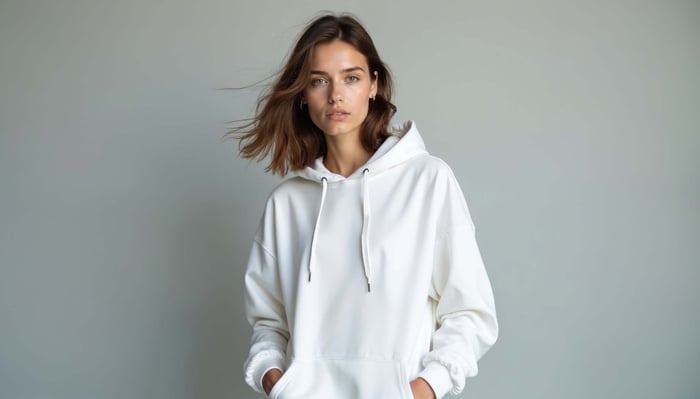 Minimal look. Maximum comfort.
Tencel fabric made for everyday wear 🌱
The Origin Story: From Forest to Fabric
The process behind Tencel fabric reads like sustainable science fiction — efficient, clean, and circular. Wood pulp from responsibly managed forests is dissolved in a non-toxic organic solvent to create a cellulose fiber. This process happens in a closed-loop production system, meaning nearly every drop of water and solvent is recovered and reused, reducing waste and environmental impact.
Because it’s derived from plants, Tencel is biodegradable and compostable, breaking down naturally at the end of its life — a stark contrast to petroleum-based synthetics that persist for centuries. This cradle-to-cradle mindset fits perfectly with the EcoBear Wear mission: high-quality pieces that look good, feel good, and do good.
Why Gen Z Loves It
For a generation raised on climate headlines and conscious consumption, Tencel represents the future of fashion that doesn’t cost the planet. It’s not just about sustainability — it’s about self-expression through mindful choices. Wearing Tencel means investing in pieces that feel as good on your skin as they do in your values.
Whether it’s a flowy Tencel top or a structured Tencel hoodie, the fabric brings that perfect soft-meets-strong balance Gen Z craves — comfortable enough for yoga, refined enough for coffee runs, and durable enough for everyday wear. EcoBear Wear designs around that philosophy — elevated basics that align with your lifestyle and ethics.
The Different Types of Tencel
The name “Tencel” actually covers two main types of fibers — Tencel Lyocell and Tencel Modal — each with its own texture, strength, and drape. Both share Tencel’s commitment to sustainability, but they serve different design purposes.
Tencel Lyocell Fabric: The Modern Essential
When you think of that soft, silky-smooth hoodie or those lightweight trousers that move with you — that’s Tencel Lyocell fabric in action. It’s known for its exceptional moisture regulation, breathability, and elegant drape, making it a premium alternative to cotton or viscose.
EcoBear Wear’s upcoming capsule line uses Tencel Lyocell for its hoodies, tees, and pants, chosen for its ability to balance softness with structure. It’s durable enough to hold its shape yet fluid enough to move naturally — the kind of “second-skin” feel that defines modern comfort.
• Moisture-regulating: Wicks away sweat naturally, keeping you cool and dry.
• Strong and smooth: High tensile strength, so your pieces stay looking new longer.
• Sustainable by design: Made using a closed-loop system that reuses 99% of materials.
• Naturally hypoallergenic: Great for sensitive skin — no harsh synthetics or residues.
This fabric is perfect for anyone who wants minimalist silhouettes without compromising on function or ethics — a reflection of EcoBear Wear’s clean design ethos.
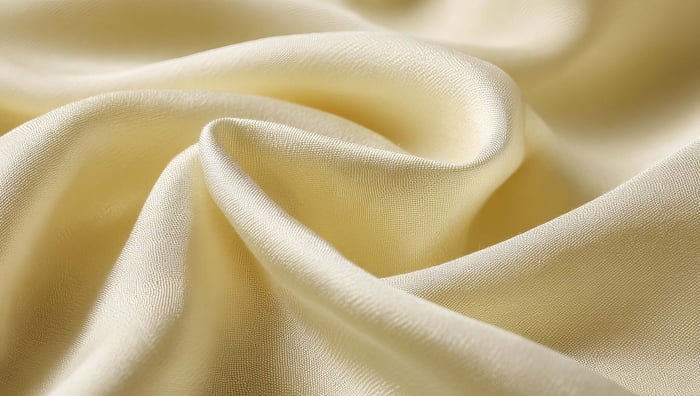 It starts at the fiber level.
Tencel fabric built differently 🌱
Tencel Modal Fabric: The Luxe Upgrade to Everyday Comfort
Tencel Modal fabric takes softness to another level. Made from sustainably harvested beechwood trees, it’s lighter and silkier than Lyocell — often used in base layers, underwear, and ultra-soft tees. Think of it as the luxury version of cotton — sleek, sustainable, and ridiculously comfortable.
The fibers in Tencel Modal are refined for a softer hand-feel and enhanced flexibility, giving it a fluid drape and high color retention. The result? Pieces that resist fading, pilling, and stretching — perfect for daily wear that still looks premium.
At EcoBear Wear, Modal’s versatility fits seamlessly into a wardrobe built on comfort and consciousness. It’s for those who appreciate texture and flow — the quiet luxury of sustainable living.
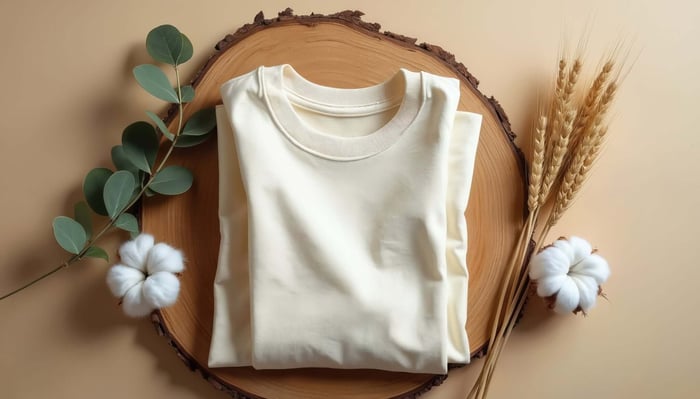 Clean fold. Clean feel.
Tencel fabric made for everyday comfort 🌱
Beyond the Label: Why It Matters
The real power of Tencel fabric lies in its story — one that blends modern innovation with environmental responsibility. Every Tencel piece supports cleaner production, reduces microplastic pollution, and promotes mindful consumption — something Gen Z is championing in full force.
EcoBear Wear stands by that mission: crafting timeless streetwear that lets you express your style and your values. Because when your wardrobe works in harmony with nature, it’s more than fashion — it’s a movement.
 City ready. Comfort built in.
Tencel fabric made for everyday movement 🌱
Advantages of Tencel Fabric
When it comes to modern wardrobe essentials, few materials perform as beautifully or as responsibly as Tencel. Here’s what makes this fabric stand out from both a sustainability and performance perspective.
1. Breathability and Comfort
One of the most celebrated qualities of Tencel fabric is its incredible breathability. Unlike synthetics that trap heat, Tencel Lyocell fabric naturally regulates temperature, making it perfect for layering across seasons. The smooth fibers allow air to circulate freely, while its moisture-wicking properties keep you feeling cool and dry — ideal for everything from yoga sessions to weekend city strolls.
2. Silky Softness with Strength
Tencel’s smooth, rounded fibers give it a unique softness that rivals silk and surpasses cotton. But what’s impressive is that this softness doesn’t come at the cost of durability. Tencel Lyocell is known for its high tensile strength — meaning your pieces stay smooth, structured, and beautiful even after multiple washes. This is why EcoBear Wear relies on Tencel for its hoodies and joggers: they feel ultra-soft on the skin yet are designed to last.
3. Moisture Management
Tencel fibers absorb moisture more efficiently than cotton, pulling it away from the skin and releasing it into the air. This natural moisture control makes it ideal for activewear and all-day comfort. Because it’s also resistant to bacterial growth, Tencel clothing stays fresher for longer — a must for busy, on-the-go lifestyles.
4. Sustainability at Its Core
What truly sets Tencel fabric apart is its eco-innovation. Produced in a closed-loop system that recycles 99% of water and solvents, Tencel Lyocell fabric minimizes waste and pollution while maintaining exceptional fiber quality. Its wood pulp comes from responsibly managed forests certified by the Forest Stewardship Council (FSC), making it a model for circular fashion.
At EcoBear Wear, that sustainability aligns perfectly with our ethos: fewer, better pieces crafted locally and responsibly. Each Tencel garment supports ethical production and conscious consumption — proof that premium doesn’t have to mean wasteful.
5. Hypoallergenic and Skin-Friendly
Because Tencel fibers are naturally smooth and free from harsh chemical treatments, they’re ideal for sensitive skin. The material doesn’t irritate or trap bacteria, making it a top choice for people who prioritize comfort and wellness in their fashion choices.
Comparisons with Other Fabrics
To appreciate Tencel’s innovation, it helps to see how it stacks up against more familiar materials. Here’s how Tencel fabric compares to cotton, polyester, and viscose — in sustainability, comfort, and longevity.
Tencel vs. Cotton
While cotton is natural and widely used, it’s also one of the most water-intensive crops on the planet. In contrast, Tencel Lyocell fabric requires up to 80% less water and produces significantly fewer emissions. Tencel is also softer, smoother, and more resistant to wrinkling, offering a premium feel that elevates everyday wear.
Tencel vs. Polyester
Polyester may be durable, but it’s derived from petroleum and contributes to microplastic pollution with every wash. Tencel, on the other hand, is fully biodegradable and derived from renewable wood sources. Where polyester traps heat and odor, Tencel breathes naturally — delivering comfort without compromise.
Tencel vs. Viscose/Rayon
Although viscose is also made from cellulose, its traditional production involves toxic chemicals and wastewater discharge. Tencel improves upon this with a closed-loop process that reuses nearly all solvents, making it the cleaner, greener evolution of viscose. It’s stronger when wet, smoother on skin, and produced with far greater environmental accountability.
Why EcoBear Wear Chooses Tencel
At EcoBear Wear, material choice is about more than aesthetics — it’s about integrity. Tencel’s balance of softness, strength, and sustainability makes it the ideal foundation for our elevated streetwear collections. Each piece delivers modern comfort with minimal environmental impact, proving that luxury can (and should) be responsible.
Incorporating Tencel into Your Wardrobe
Tencel fabric bridges the gap between sustainability and streetwear, making it one of the easiest materials to integrate into your personal style. Its soft texture, elegant drape, and durable performance mean you can wear it from workouts to workdays without missing a beat. Here’s how to bring this sustainable staple into your everyday fits.
1. Start with the Essentials
The best way to introduce Tencel fabric into your wardrobe is through core basics — think minimalist tees, hoodies, joggers, and button-ups. These everyday staples showcase Tencel’s smooth feel and breathable comfort while pairing easily with everything you already own. EcoBear Wear’s upcoming capsule collection focuses exactly on this: premium Tencel Lyocell hoodies and tees made for those who value timeless style and everyday functionality.
Tencel Lyocell fabric moves with your body and keeps its shape wash after wash, making it ideal for elevated basics that last longer and feel better.
2. Layer for Versatility
Tencel’s lightweight breathability makes it perfect for layering. You can pair a Tencel tee under a structured overshirt or wear a Tencel hoodie beneath a denim jacket for contrast. Its moisture-regulating fibers adapt to temperature changes, meaning you’ll stay comfortable year-round without bulky fabrics or synthetic blends.
For streetwear enthusiasts, Tencel adds that subtle texture and flow that gives any outfit a premium edge — perfect for clean silhouettes and tonal layering.
3. Elevate Your Streetwear
Tencel fabric has quickly found its way into the world of modern streetwear — and for good reason. It’s got the movement and structure needed for oversized cuts, but the smooth finish gives it a refined feel that aligns with minimalist aesthetics. EcoBear Wear’s Tencel hoodies and joggers are designed to embody that perfect balance between luxury and laid-back energy — the kind of pieces that look sharp but feel lived-in.
Gen Z fashion is all about comfort with purpose — and Tencel’s versatility supports that mindset. Dress it up with structured outerwear and sneakers for a premium street look, or down with slides and a relaxed fit for off-duty ease.
4. Mix Textures Mindfully
One of the most exciting ways to style Tencel is by mixing it with other natural fibers. Its soft sheen and fluid drape pair beautifully with matte organic cotton or structured denim. This balance of textures creates visual depth while keeping your outfit cohesive and eco-friendly.
If your wardrobe leans toward monochrome or earthy tones, Tencel’s natural luster subtly elevates the look without overpowering it — a staple for minimalist dressers.
5. Choose Longevity Over Quantity
Building a sustainable wardrobe isn’t about having more — it’s about having better. Tencel fabrics are built to endure, so investing in a few high-quality pieces can reduce waste while elevating your closet’s overall feel. EcoBear Wear’s philosophy centers on **conscious consumption** — creating pieces that are ethically made, responsibly sourced, and timeless by design.
By choosing Tencel Lyocell and Modal pieces, you’re not just investing in your look — you’re supporting ethical production and reducing your fashion footprint.
Conclusion: The Future Is Tencel
As sustainability continues to shape the future of fashion, Tencel fabric stands out as the material redefining modern comfort and conscious design. From its renewable origins to its luxurious touch, Tencel offers a balance of performance, style, and responsibility that few fabrics can match.
At EcoBear Wear, every Tencel piece embodies our mission: minimalist design, mindful materials, and uncompromising quality. This isn’t fast fashion — it’s a commitment to craftsmanship and care. Because what you wear should feel good on your skin and align with what you stand for.
Whether you’re curating a capsule wardrobe or just exploring sustainable options, Tencel makes it easy to look good and do good — without compromise.
FAQs
What is Tencel fabric made from?
Tencel fabric is made from sustainably sourced wood pulp, usually from eucalyptus or beech trees. It’s processed through a closed-loop system that recycles 99% of water and solvents — making it one of the cleanest, most eco-friendly fabrics available.
Is Tencel fabric better than cotton?
Yes — Tencel is softer, smoother, and more breathable than cotton. It also requires far less water to produce, stays wrinkle-resistant, and regulates temperature naturally, making it perfect for premium basics and active streetwear.
Does Tencel shrink or wrinkle easily?
Tencel fabric resists shrinking and wrinkling better than most natural fibers. To keep it looking fresh, wash it cold on a gentle cycle, use mild detergent, and air-dry flat or on a hanger.
How do you style Tencel pieces?
Tencel’s clean drape and soft texture make it perfect for minimalist outfits. Pair a Tencel tee with denim or layer a Tencel hoodie under a jacket for a premium, laid-back streetwear look.
Why does EcoBear Wear use Tencel?
EcoBear Wear chooses Tencel Lyocell and Modal fabrics for their sustainability, durability, and comfort. Each piece is designed to feel soft, last longer, and support local, ethical production — redefining what sustainable streetwear looks and feels like.