
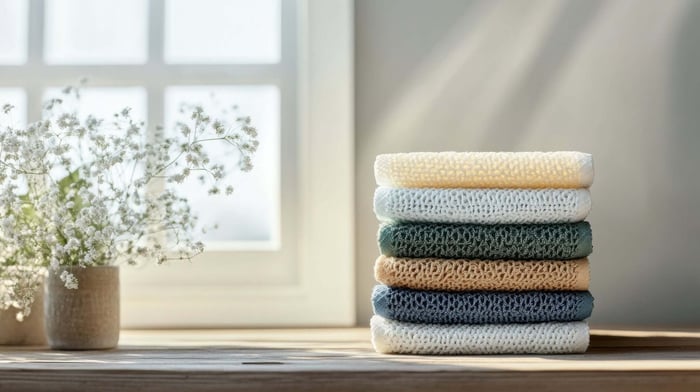
 Better for you. Better for the planet.
Biodegradable clothes made to leave less behind 🌱
Table of Contents
- Understanding Biodegradable Clothes: What They Are & Why They Matter
- The Role of Sustainable Fabrics in Creating Biodegradable Clothing
- How Sustainable Fabrics Support a Truly Circular Fashion Model
- Impact on the Fashion Industry: Why Biodegradable Clothes Are Disrupting Everything
- Consumer Awareness and Choices: Why Gen Z Is Leading the Biodegradable Clothing Movement
- Conclusion: Biodegradable Clothes Are the Blueprint for the Future of Fashion
- FAQs
The shift toward biodegradable clothes isn’t just a trend—it’s a full-blown cultural reset. Gen Z is done with fast fashion’s throwaway cycle, and they’re demanding apparel that looks good, feels good, and does good for the planet. From sustainable fabrics like TENCEL™ Lyocell to innovative eco garments designed to return to the earth, biodegradable clothing is rewriting what “responsible fashion” actually means. And for brands like EcoBear Wear—built on transparency, premium craftsmanship, and minimalist streetwear aesthetics—this shift isn’t optional. It’s the future.
Understanding Biodegradable Clothes: What They Are & Why They Matter
Biodegradable clothing has been circulating across TikTok sustainability threads, Reddit’s r/environment discussions, and conscious fashion blogs—and for good reason. These garments break down naturally at the end of their life cycle without releasing microplastics or toxins into the soil or water. Unlike synthetic fabrics, which can take hundreds of years to decompose, biodegradable materials return to the earth in a closed-loop cycle that supports soil health instead of harming it.
Below, we’ll break down what makes a fabric biodegradable, which materials qualify, and why EcoBear Wear believes this is the future of premium streetwear.
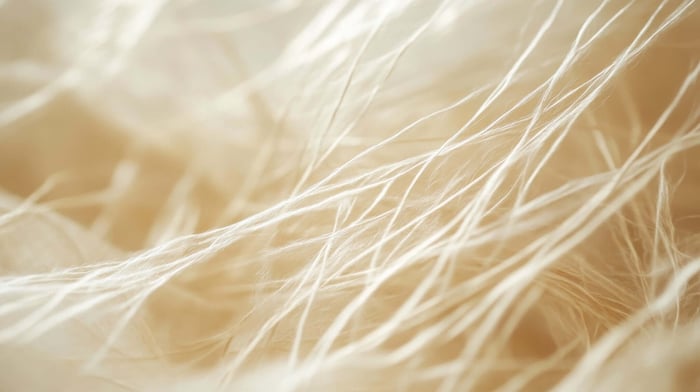 It starts with what it’s made from.
Biodegradable clothes built from compostable natural fibers 🌱
What Does “Biodegradable” Actually Mean in Fashion?
Most people hear biodegradable and think “it breaks down”—but in fashion, the definition is more specific.
A biodegradable garment must:
✅ Come from natural, plant-based, or regenerative fibers
✅ Break down within a reasonable timeframe (months, not centuries)
✅ Leave behind no microplastics or toxic residue
✅ Decompose through natural processes (fungi, bacteria, microbes)
Think of it as clothing that can safely return to the earth—similar to how fallen leaves biodegrade in a forest.
❌ What Doesn’t Count as Biodegradable
- Polyester
- Nylon
- Acrylic
- Spandex-heavy blends
- Plastic-based “faux eco” fabrics
Even “recycled polyester”—while more sustainable than virgin plastic—does not biodegrade.
This clear divide is why Gen Z is turning away from greenwashing and pushing brands toward true natural materials.
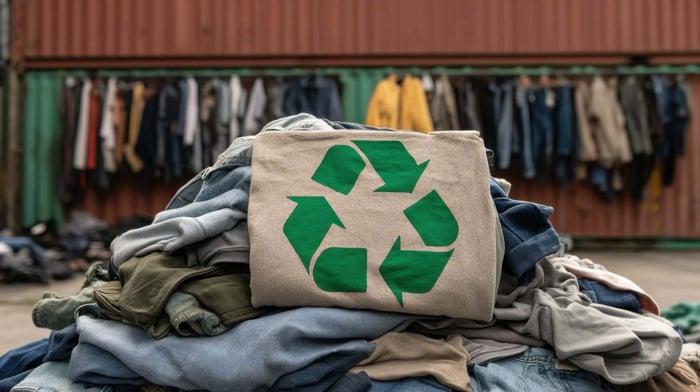 Designed to return to the earth.
Biodegradable clothes that don’t stay forever 🌱
Why Biodegradable Clothes Are Becoming a Movement (Not a Trend)
Across the SERP competitors—from Iberdrola’s sustainability reports to MyGreenCloset’s compostable clothing guide—there’s one shared message: biodegradable fashion is about reducing long-term waste.
But here’s what they don’t talk about—the cultural shift behind it.
🌱 1. Gen Z Wants Transparency
Greenwashing’s over. TikTok sleuths and Reddit sustainability forums have made sure of that. Gen Z wants receipts, certifications, and fully traceable supply chains.
🌎 2. Microplastic Pollution Is at an All-Time High
Synthetic fabrics shed microplastics every wash. Plant-based fibers do not.
♻️ 3. Circular Fashion Is Becoming Normalized
Closed-loop production cycles—like those used to make TENCEL™ Lyocell—are becoming the gold standard.
✨ 4. Minimalist Streetwear + Eco Materials = The New Aesthetic
Gen Z is choosing:
- Elevated basics
- Neutral palettes
- Natural textures
- Slow fashion staples
Biodegradable fabrics fit that aesthetic effortlessly.
🧵 5. Skin-Friendly, Breathable, Better Quality
Plant-based fibers aren’t just eco—they’re premium.
TENCEL™, organic cotton, hemp, and linen are:
- Softer
- More breathable
- Less irritating for sensitive skin
- More durable in daily wear
Eco-friendly now equals luxury, not “hippie.”
The Role of Sustainable Fabrics in Creating Biodegradable Clothing
Sustainable fabrics are the backbone of biodegradable fashion. Not all eco-friendly materials are biodegradable—but the best ones are. This section breaks down the materials leading the industry and why they matter.
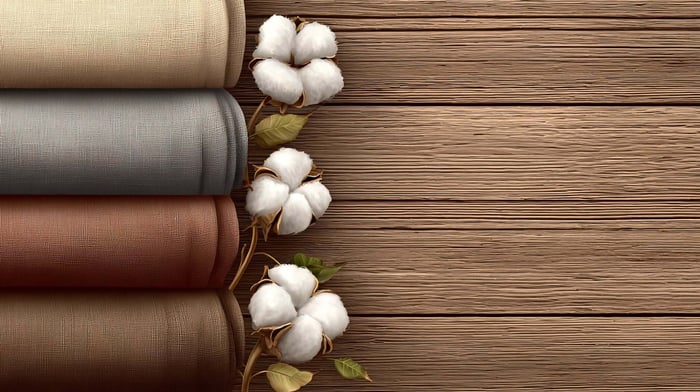 Where it all begins.
Biodegradable clothes start with better fabrics 🌱
The Most Common Biodegradable Fabrics (and Why They’re Better)
Competitors like Organic Basics, Conscious Fashion Collective, and Toad&Co highlight popular eco materials—but here, we go deeper into what makes each fabric biodegradable and Gen Z-approved.
✅ 1. TENCEL™ Lyocell: The Modern Biodegradable Powerhouse
TENCEL™ Lyocell is one of the most innovative biodegradable fabrics in the world, used heavily in premium minimalist brands—including EcoBear Wear.
Why TENCEL™ Lyocell Is Biodegradable:
- Made from sustainably sourced wood pulp
- Produced in a closed-loop process (recycles 99% of water + solvents)
- Breaks down naturally in both soil and marine environments
- Emits fewer carbon emissions than cotton
- No plastics, microplastics, or toxic residues
Why Gen Z Loves It:
- Ultra-soft
- Breathable
- Sweat-wicking
- Gentle on sensitive skin
- Premium drape and minimal aesthetic
It’s the perfect fabric for slow-fashion hoodies, tees, and loungewear.
✅ 2. Organic Cotton: The Timeless Biodegradable Staple
Organic cotton remains one of the most accessible biodegradable materials.
Why It’s Sustainable:
- Grown without toxic pesticides
- Lower water usage
- Compostable when undyed
- Safe for soil regeneration
Eco garments made from organic cotton are durable, breathable, and timeless.
✅ 3. Hemp: The Zero-Waste Champion
Hemp is one of the most sustainable fibers on earth.
- Requires almost no water
- Grows without pesticides
- Improves soil health
- 100% biodegradable
It’s rugged, breathable, and perfect for modern streetwear silhouettes.
✅ 4. Linen (Flax): Naturally Biodegradable & Premium
Linen is biodegradable and long-lasting, making it ideal for warm-weather fashion.
- Highly breathable
- Anti-bacterial
- Low-impact
- Fully compostable
Minimalist brands love linen for its texture and durability.
✅ 5. Bamboo (When Processed Sustainably)
Bamboo can be biodegradable, but only when produced as bamboo linen (not viscose).
Eco-conscious consumers should look for:
- Certified processing
- Mechanical extraction
- Non-toxic treatments
✅ 6. Wool (Ethically Sourced)
Wool is biodegradable—but only when untreated and certified.
EcoBear Wear does not use wool due to ethical considerations, but it remains part of the biodegradable fabric ecosystem.
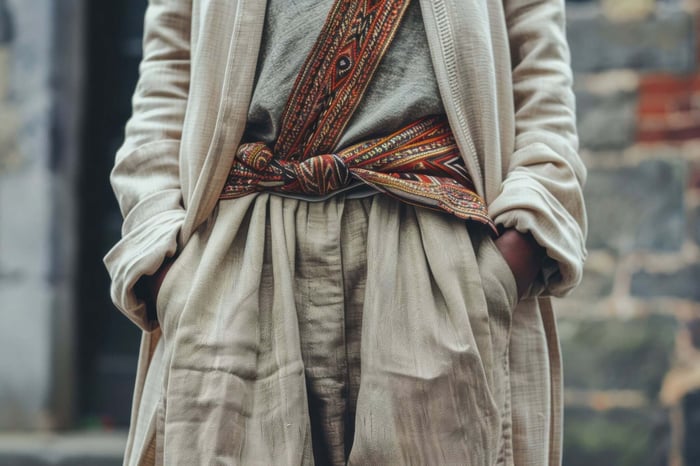 Less trends. More intention.
Biodegradable clothes made for slow, conscious style 🌱
How Sustainable Fabrics Support a Truly Circular Fashion Model
Competitors like MyGreenCloset and ConsciousFashion.co often highlight “soil-to-soil” cycles—meaning clothing that returns to the earth where it began.
Here’s how biodegradable materials make circular fashion possible:
🌱 1. Nature to Fabric
Fibers come from renewable sources like trees or plants.
🔄 2. Low-Impact Manufacturing
Closed-loop systems, reduced water use, and minimized waste.
♻️ 3. Long-Term Wear
High-quality fabrics = fewer replacements.
🌍 4. End-of-Life Decomposition
Garments break down safely—no microplastics, no toxins, no landfill mass.
🌿 5. Soil Regeneration
Biodegraded fibers integrate into soil and nourish ecosystems.
It’s the opposite of fast fashion’s “use and dump” cycle—and Gen Z is here for it.
Impact on the Fashion Industry: Why Biodegradable Clothes Are Disrupting Everything
The shift toward biodegradable clothing is transforming the fashion landscape faster than many legacy brands expected. SERP competitors like Iberdrola, Conscious Fashion Collective, and Organic Basics highlight the sustainability angle—but what they don’t fully explore is how deep this impact goes on manufacturing, branding, pricing, certifications, textiles, and consumer expectations.
Here’s how biodegradable clothes are driving the industry’s biggest evolution in decades.
1. Innovation in Textile Science Is Accelerating
Biodegradable fashion is pushing textile innovators to create new materials that break down naturally without sacrificing performance. Competitors like Organic Basics and Boody champion fibers like TENCEL™ Lyocell, but the movement is expanding:
- Bio-based synthetics made from algae, citrus pulp, and agricultural waste
- Plant-derived leather alternatives
- Mushroom-based materials (mycelium fabrics)
- Waterless dyeing technologies
These innovations hinge on circularity: how do we create clothes that return to the earth with zero damage?
Why it matters
Brands that embrace biodegradable fabrics early become future-proof. Those that don’t? They’re falling behind—not just in sustainability standards, but in relevance to a new generation of shoppers.
2. Brands Are Being Forced to Redesign Their Supply Chains
Fast fashion was built on synthetic materials because they’re cheap and easy to mass-produce. But biodegradable clothing requires:
- renewable raw materials
- ethical farming
- environmentally safe harvesting
- closed-loop manufacturing
- compostable or recyclable packaging
This is creating pressure across the supply chain:
Factories
Must process natural fibers instead of petroleum-derived synthetics.
Dye houses
Must adopt non-toxic dyeing techniques to preserve biodegradability.
Logistics
Must reduce waste, overproduction, and fossil-fuel-based shipping.
Certifications
Materials now need compostability, biodegradability, or toxicity-free certifications—something synthetic-heavy brands struggle with.
EcoBear Wear embraces this shift fully, sourcing sustainable fabrics like TENCEL™ Lyocell and designing premium minimalist streetwear that supports circularity from raw material to end of life.
3. Microplastic-Free Clothing Is Becoming an Industry Standard
Thanks to viral TikToks, Reddit threads, and UN-led environmental reports, consumers finally understand that synthetic fabrics shed microplastics with every wash. That awareness is pushing brands to shift away from polyester-heavy collections.
Synthetic fabrics take 400+ years to decompose.
Biodegradable clothes take months to a few years—and leave no toxic trace.
Brands that keep producing microplastic-shedding clothing are now seen as outdated.
4. Legislation Is Catching Up—Fast
Countries across the EU and North America are introducing:
- textile waste reduction laws
- mandatory recycling programs
- microplastic regulations
- bans on certain toxic chemicals in production
Once sustainable fabrics become required—not optional—biodegradable clothing will be the norm, not a niche.
This coming shift is why future-thinking streetwear brands (like EcoBear Wear) are aligning early with circular design principles.
5. Biodegradable Clothes Fit the Minimalist Streetwear Aesthetic Perfectly
The premium minimalist style dominating Instagram and Pinterest leans naturally toward biodegradable fabrics:
- soft neutrals
- breathable textures
- natural drape
- clean silhouettes
- slow-fashion timelessness
Gen Z wants fewer, better pieces—and biodegradable clothing aligns perfectly with that lifestyle shift.
Consumer Awareness and Choices: Why Gen Z Is Leading the Biodegradable Clothing Movement
Consumer behavior is the engine behind this entire transformation. While SERP competitors note sustainability trends, they often overlook just how motivated Gen Z is compared to previous generations.
This generation isn’t just buying clothes—they’re reshaping the industry with their expectations.
1. Gen Z Researches Before They Buy
Gen Z is the most eco-educated generation to date. Before they buy a hoodie or a pair of pants, they’re checking:
- fiber content
- supply chain transparency
- biodegradability
- environmental certifications
- microplastic impact
- brand sustainability reports
In other words, they’re demanding receipts—not marketing fluff.
Fast fashion’s “trust me bro” era is over.
2. They Want Clothing That Matches Their Values
For Gen Z, sustainability isn’t a nice-to-have. It’s identity-based.
They prefer:
- slow fashion over trend cycles
- natural materials over synthetics
- quality over quantity
- brands that align with their ethics
- minimalist essentials that last
Biodegradable clothes check all those boxes.
3. They Reject Greenwashing
Because of social media transparency, Gen Z can spot greenwashing instantly. They expect:
- clear certifications
- ingredient-level traceability
- verified compostability claims
- honest descriptions
- real environmental data
Brands like EcoBear Wear succeed because we value transparency and build our product decisions around responsibly sourced, premium textiles—not marketing buzzwords.
4. Social Media Is Elevating Accountability
TikTok, Instagram Reels, and Reddit have become sustainability education hubs. Influencers and activists break down:
- hidden microplastics
- toxic dye processes
- textile waste
- landfill photos
- compostable fashion innovations
- greenwashing vs. real eco garments
This visibility forces brands to meet higher expectations.
5. Consumers Are Actively Choosing Slow-Fashion Staples
Instead of buying 10 fast-fashion tops per year, young consumers are choosing:
- 1 compostable tee
- 1 biodegradable hoodie
- 1 pair of eco garments they can wear for years
They’re responding to the minimalist lifestyle movement—less clutter, less waste, more intentionality.
And sustainable fabrics like TENCEL™ Lyocell are at the heart of that shift.
Conclusion: Biodegradable Clothes Are the Blueprint for the Future of Fashion
The rise of biodegradable clothing isn’t a trend—it’s a turning point. From textile innovation to global legislation to massive shifts in consumer values, the entire fashion industry is moving toward circularity. Biodegradable clothes solve some of the biggest environmental challenges in apparel:
- microplastic pollution
- landfill overflow
- chemical toxicity
- fast fashion waste
- unsustainable synthetic fibers
For EcoBear Wear, biodegradable fashion aligns perfectly with our brand DNA—premium, minimalist, ethically made, and built to respect the planet. As Gen Z continues to demand higher standards, biodegradable clothing will become the new baseline for what “good fashion” means.
The future of fashion is natural.
It’s circular.
It’s intentional.
And it’s fully biodegradable.
FAQs
What makes clothes biodegradable?
Clothes are considered biodegradable when they’re made from natural fibers—like TENCEL™ Lyocell, organic cotton, hemp, bamboo linen, or flax—that can break down safely in soil or compost. True biodegradable clothing decomposes without leaving behind microplastics, chemicals, or toxic residues.
How long do biodegradable clothes take to break down?
Most biodegradable fabrics break down within a few months to a couple of years, depending on fiber type and environmental conditions. Materials like TENCEL™ Lyocell decompose faster because they’re plant-based and processed in closed-loop systems.
Are biodegradable clothes better for the environment?
Yes. Biodegradable clothes reduce landfill waste, eliminate microplastic pollution, and support circular fashion systems. They use renewable resources, require fewer chemicals, and return to the earth naturally, making them a more planet-friendly alternative to synthetic garments.
What fabrics should I look for when buying biodegradable clothing?
Choose natural, plant-based fabrics such as TENCEL™ Lyocell, organic cotton, hemp, linen (flax), and bamboo linen. These materials decompose naturally and align with slow-fashion values like durability, comfort, and low environmental impact.
Is biodegradable clothing durable enough for everyday wear?
Absolutely. Biodegradable fabrics—especially modern textiles like TENCEL™ Lyocell—are known for strength, softness, breathability, and long lifespan. They’re designed for everyday comfort while still supporting eco-conscious values and circular design.