
A calm and minimal aesthetic studio apartment featuring neutral tones, natural light, and a clutter-free modern design
Table of Contents
- Introduction
- Understanding the Minimalist Aesthetic
- The Benefits of Adopting a Minimal Lifestyle
- Step 1: Declutter Your Space
- Step 2: Simplify Your Wardrobe
- Step 3: Streamline Your Digital Life
- Step 4: Embrace Mindful Consumption
- Step 5: Create a Calm Environment
- Step 6: Focus on Quality, Not Quantity
- Step 7: Reflect and Adjust Your Lifestyle
- Conclusion
- FAQs
Introduction
The minimal aesthetic isn’t just about blank walls or wearing beige—it’s a mindset. It’s a quiet rebellion against chaos, a conscious choice to live with less but better. For Gen Z, it’s not about deprivation—it’s about intention. A clean apartment, a capsule closet, and an uncluttered feed all speak the same language: calm, confidence, and clarity.
Rooted in simplicity and purpose, this lifestyle has evolved into a form of personal expression that merges visual calm with mindful living. Whether it’s your outfit, your space, or your social presence, the minimalist aesthetic gives you room to breathe.
Understanding the Minimalist Aesthetic
The minimalist aesthetic is more than a design trend—it’s a visual reflection of mindfulness. It’s that “clean girl energy” meets eco-conscious living: simple silhouettes, neutral color palettes, and high-quality pieces that stand the test of time.
In fashion and design, minimalism strips away excess so that form, function, and purpose take center stage. Think white space, soft lighting, and intentional detail. But while Instagram and Pinterest love to showcase the glossy look of the minimalism aesthetic, true minimalism isn’t about perfection—it’s about alignment.
It’s about asking: Does this add value to my life? If not, it’s okay to let it go.
At its core, this aesthetic celebrates:
- Neutral tones that ground you (beige, charcoal, white, sand).
- Timeless design that prioritizes longevity over hype.
- Conscious consumption that values quality over quantity.
- Intentional space that reflects who you are, not what you own.
Minimalism isn’t sterile—it’s soulful. It creates visual balance while nurturing mental clarity. For Gen Z, who live in a hyper-connected, overstimulated world, this aesthetic offers a rare form of peace.
Minimalism Beyond the Look
While it’s easy to associate the minimal aesthetic with white walls and capsule wardrobes, its real essence goes deeper. It’s about editing your life—keeping only what aligns with your values.
The minimalist lifestyle challenges overconsumption, promoting self-awareness in every purchase or commitment. Whether it’s unfollowing noise on social media, clearing your calendar, or simplifying your closet, minimalism creates space for what truly matters.
This shift toward intentional living resonates strongly with Gen Z, a generation that’s redefining luxury—not by price, but by purpose. Owning fewer, better things isn’t just a flex; it’s a statement.
The Benefits of Adopting a Minimal Lifestyle
When you step into a minimal lifestyle, you’re not just decluttering your space—you’re clearing mental, emotional, and creative clutter too.
Minimalism doesn’t mean stripping joy; it means choosing joy deliberately. The less time you spend chasing or maintaining excess, the more energy you have for what fuels you.
Here’s how adopting the minimal aesthetic can transform more than just your Pinterest board:
1. Mental Clarity and Calm
Your environment reflects your energy. When your room is full of unnecessary things, it quietly drains you. A minimalist setup—soft neutrals, clean surfaces, thoughtful textures—helps your brain relax.
Studies show that clutter increases cortisol (stress hormone) and reduces focus. Simplifying your surroundings is like decluttering your mind. That’s why minimalist spaces feel like exhaling—everything unnecessary fades, leaving calm behind.
2. Conscious Consumption
The minimal lifestyle encourages buying intentionally. Instead of fast-fashion hauls or impulse decor buys, you start asking, “Do I need this?” or “Will this last?”
Sustainability is baked into this mindset. Every purchase becomes a vote for your values—whether it’s supporting local craftsmanship or choosing ethically made clothing that aligns with slow fashion. The minimalist aesthetic reminds us that what you wear and what you own should feel right, not just look right.
3. Better Financial Freedom
Owning less doesn’t mean having less—it means having enough.
When you stop chasing trends and start investing in quality, you naturally spend less over time. The result? A curated life that costs less but feels richer.
It’s no surprise that minimalism aligns perfectly with financial wellness—a clear, simple life means fewer random expenses and more intentional investments.
4. Elevated Personal Style
Ironically, minimalism often looks the most put-together. The minimal aesthetic thrives on balance: silhouettes that flow, textures that complement, colors that soothe.
Think neutral layers, simple lines, and pieces that mix effortlessly. When your wardrobe follows these principles, every outfit looks cohesive—like you always know what you’re doing, even when you threw it together in five minutes.
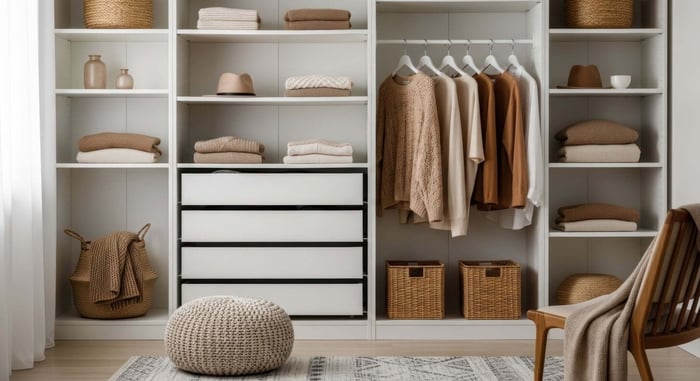
 A minimal aesthetic wardrobe showcasing neutral tones, curated essentials, and a clean, clutter-free closet setup
5. Creative Energy and Productivity
When your space is organized and your mind uncluttered, you create room for flow.
Minimalism enhances creativity because it removes distractions. It’s like giving your ideas space to breathe.
This is why so many creators, designers, and innovators gravitate toward minimalism aesthetic principles—clean environments foster clear thinking.
6. Emotional Balance
Owning less means attaching less meaning to material things.
You start defining happiness by experiences, not possessions. This emotional detachment can be freeing—it helps you feel lighter, less anxious, and more in control.
A minimal lifestyle invites gratitude into everyday moments: the morning coffee, the favorite hoodie, the sunlight through your window. It’s not about missing out—it’s about noticing more.
Step 1: Declutter Your Space
The first step toward the minimal aesthetic is the most obvious—but also the most transformative. Decluttering isn’t just a trend; it’s therapy for your environment.
Start small: a drawer, your desk, your digital files. Each space you clear makes breathing easier. When you let go of what doesn’t serve you, you make space for what does.
Here’s how to start decluttering without overwhelm:
1. Start with One Category, Not One Room
Tackling your entire apartment is daunting. Instead, pick one category—clothes, skincare, tech accessories—and edit ruthlessly.
Ask yourself: Do I love this? Do I use this? Does this fit the life I’m building?
If it doesn’t check those boxes, it’s time to let it go.
2. Shift from “Owning” to “Curating”
Think of your space as a personal gallery. Each piece should have a purpose or story. This mindset turns decluttering into design—less about losing, more about aligning.
The minimal aesthetic is intentional, not empty. That empty surface? It’s an invitation for calm. That single neutral vase? A statement of restraint.
3. Organize What You Keep
Once you’ve edited, organize what’s left by function and frequency. The things you use daily should be within reach; everything else can be tucked away.
Use soft storage bins, neutral baskets, or natural materials to keep your space cohesive and sustainable. Even the containers you choose reflect your values.
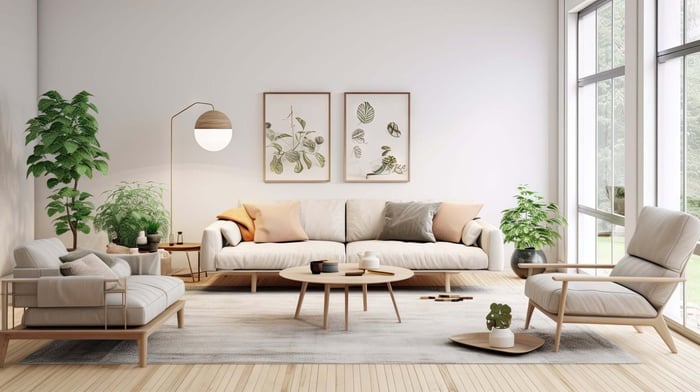 A serene minimal aesthetic living room featuring neutral colors, soft textures, and a clean, uncluttered design
4. Digitally Declutter Too
The minimal lifestyle isn’t just physical. Unsubscribe from emails you never read. Organize your desktop. Delete unused apps. Your digital space deserves the same peace as your physical one.
Your mind will thank you every time you open your phone and don’t feel overwhelmed.
5. Make It a Ritual, Not a One-Time Event
Minimalism is a mindset, not a weekend project.
Every month, check in: what’s creeping back in? What feels heavy? The beauty of this lifestyle lies in consistency—it’s ongoing refinement, not restriction.
The more intentional you become, the lighter life feels. That’s the real essence of the minimal aesthetic—freedom disguised as simplicity.
Step 2: Simplify Your Wardrobe
There’s a reason the minimal aesthetic feels so refreshing—it’s effortless confidence, not endless choices. Simplifying your wardrobe means curating what you actually wear and love instead of drowning in fast-fashion chaos. It’s a mindset shift from owning more to wearing better.
The minimalist aesthetic in fashion isn’t just about beige or black; it’s about balance—clean silhouettes, timeless color stories, and pieces that layer seamlessly. Every item has purpose and personality without screaming for attention.
Decluttering your closet is the first move toward an intentional minimal lifestyle. When you open your wardrobe and everything fits, flatters, and aligns with your vibe, you’re not just saving time—you’re saving mental energy.
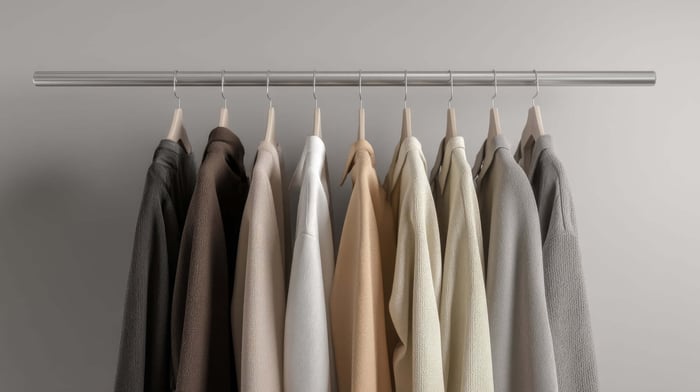 A minimal aesthetic studio setup showcasing an open clothing rack with neutral pieces, clean lines, and a curated minimalist look
Start With a Capsule Wardrobe
A capsule wardrobe is your foundation for the minimal aesthetic. Instead of chasing micro-trends, focus on versatile, high-quality basics that mix and match easily.
Think of it like this: every piece should work in at least three outfits. Choose breathable fabrics, flattering fits, and tones that mirror your lifestyle—calm, adaptable, grounded.
This approach aligns with sustainability too. Fewer items mean fewer impulsive purchases, less waste, and more appreciation for craftsmanship.
Prioritize Quality Over Quantity
Minimalism thrives on longevity. Investing in well-made staples eliminates the cycle of constantly replacing cheap items. The minimalist aesthetic values durability and design integrity.
When your wardrobe lasts, you create a story of consistency—your go-to hoodie, the pants that always fit right, the shirt that makes you feel unstoppable. These become part of your identity, not seasonal throwaways.
Color Palettes That Reflect Calm
A core principle of the minimalism aesthetic is neutrality, but that doesn’t mean monotone. You can build a calming color palette using muted earth tones, soft whites, and deep charcoals.
This simplicity amplifies elegance. When your color story stays cohesive, everything pairs effortlessly. Your wardrobe becomes a system, not a struggle.
Let Go Without Guilt
Decluttering clothes can feel emotional—each piece carries a memory. But simplicity thrives on detachment.
If you haven’t worn something in a year, it’s likely taking space instead of giving value. Donate, recycle, or repurpose responsibly.
Remember, minimalism isn’t about losing—it’s about gaining clarity. Every item you keep should serve a purpose, align with your aesthetic, and make you feel good wearing it.
Step 3: Streamline Your Digital Life
Your digital world is part of your space too—and often, it’s the messiest. The minimal aesthetic doesn’t end at your wardrobe; it extends to your screens, feeds, and files.
Endless notifications, cluttered desktops, and algorithm chaos can drain your focus faster than a messy room. A digital detox through minimalist lifestyle habits helps you reclaim attention and mental calm.
Curate Your Online Space
Just like your physical space, your digital presence reflects your mindset. Unfollow accounts that spark comparison, mute negativity, and engage with creators who inspire peace, creativity, or authenticity.
Curating your feed is an act of self-care.
When your online environment aligns with your minimalism aesthetic, scrolling feels intentional—not impulsive.
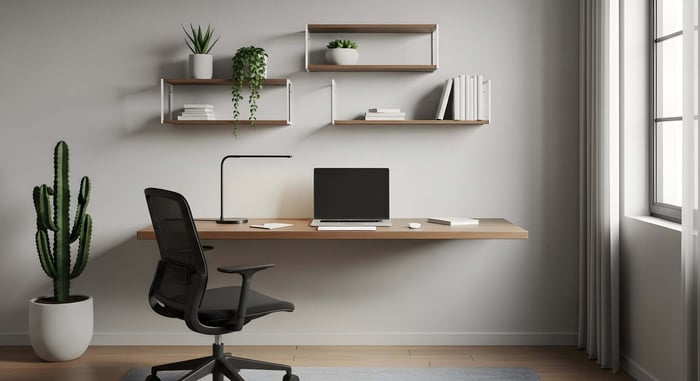 A minimal aesthetic workspace featuring a clean desk, neutral palette, and thoughtfully arranged essentials for a calm, focused environment
Declutter Your Devices
Files, screenshots, and unused apps pile up invisibly but weigh on your mental space.
Delete duplicates, organize essentials into folders, and keep your home screen simple.
Try setting specific digital boundaries:
- Morning rule: No social media for the first 30 minutes after waking.
- Evening rule: No screens an hour before bed.
You’ll notice the quiet clarity that follows.
Inbox Zero Energy
Your inbox shouldn’t feel like a battlefield. Unsubscribe from newsletters you never read. Use folders or labels to keep priorities straight.
Minimalism applied to email is liberating—it helps you focus only on what adds value to your day.
Mindful Screen Time
The minimal aesthetic also thrives in your habits. When you consciously limit scrolling and choose slow-paced, meaningful content, you feel more present.
Apps like “Forest” or “One Sec” can help retrain your impulse to check your phone. Think of digital minimalism as editing your mental environment: keep only what inspires, teaches, or connects.
Step 4: Embrace Mindful Consumption
The minimal aesthetic isn’t anti-shopping—it’s pro-intention. Mindful consumption means buying less, choosing consciously, and considering impact.
Gen Z is redefining what it means to “have style.” It’s not about constant hauls; it’s about authenticity and sustainability. Each purchase becomes a statement of who you are and what you stand for.
Shop With Purpose
Before buying, ask:
- Does this align with my values?
- Will it last beyond this season?
- Do I already own something similar?
This framework transforms shopping into self-expression with meaning. It mirrors the minimal lifestyle where every choice has intention.
Supporting small, ethical, or sustainable brands reinforces a cycle of conscious consumption. You invest in quality rather than excess—style that tells a story, not just fills a cart.
Buy Less, Choose Well
The minimalist aesthetic thrives on refinement. When you narrow your choices, you increase satisfaction. You’re no longer chasing the next drop—you’re building a cohesive collection of things that genuinely resonate.
Fast fashion thrives on impulse; minimalism thrives on intention. Every purchase you don’t make is just as powerful as the ones you do.
Conscious Materials and Sustainability
Choosing sustainable fabrics—like organic cotton, hemp, or TENCEL™ Lyocell—aligns aesthetics with ethics. These materials support a cleaner production cycle and longer-lasting wear, embodying the minimalism aesthetic perfectly.
Minimal design complements sustainable function: clean seams, durable fibers, and timeless tones. It’s the perfect intersection of style and responsibility.
Declutter Consumption Habits
Minimalism goes beyond clothes or decor—it reshapes how you approach everything.
From food choices to packaging waste, every mindful act compounds into a lifestyle of awareness.
Buy reusable, recycle when possible, and question convenience culture. The minimal lifestyle teaches that comfort and consciousness can coexist beautifully.
Slow Down and Savor
At its heart, the minimal aesthetic isn’t about perfection—it’s about presence.
When you stop chasing constant upgrades, you start appreciating the simplicity of what’s already enough.
Whether it’s your wardrobe, your tech, or your morning routine, minimalism invites you to live slower, lighter, and more aware.
Step 5: Create a Calm Environment
Your surroundings are a mirror of your mind. If your space feels chaotic, it’s hard to find clarity within.
A minimal aesthetic home or workspace isn’t about empty rooms—it’s about harmony. Every texture, tone, and object plays a role in cultivating peace.
When you walk into a calm environment, you immediately sense it—the light feels softer, the air feels clearer, and your focus sharpens. The minimalist aesthetic creates that feeling by stripping away distractions and amplifying balance.
Design With Intention
Minimalism doesn’t mean cold or empty—it means curated.
Choose items you genuinely connect with: a hand-thrown mug, a linen throw, a wooden chair with character. These subtle elements bring warmth to the minimalism aesthetic without cluttering it.
The goal isn’t to remove personality but to refine it. Every piece should serve a purpose: functional or emotional.
Balance Your Energy Through Color and Light
Colors shape emotions. Soft neutrals—sand, ivory, charcoal—promote calmness, while natural light boosts focus and mood.
The minimal lifestyle thrives on these gentle contrasts: airy light and grounded tones.
Try this: dim your artificial lighting at night, let daylight fill your mornings, and use warm bulbs to soften edges. Your space will instantly feel more mindful.
Simplify Your Surroundings
Decluttering your environment is the most direct route to mental clarity.
Keep surfaces clear, store essentials neatly, and leave open space for your mind to breathe.
A room with fewer distractions lets your thoughts settle. It’s not about the objects themselves—it’s about what their absence allows you to feel.
Bring Nature Inside
The minimal aesthetic and nature go hand in hand. Incorporate natural textures—plants, bamboo, stone, or reclaimed wood. They add depth without noise.
Indoor greenery is one of the simplest ways to infuse life into minimalist spaces. A single Monstera or dried pampas stems in a ceramic vase can transform a corner into calm.
Step 6: Focus on Quality, Not Quantity
The heart of the minimal aesthetic is quality—intentional choices that stand the test of time. Whether you’re curating your wardrobe or decor, this step is about investing in what matters most.
When you prioritize quality over quantity, you create a life that feels balanced and authentic. You’re no longer accumulating—you’re refining.
Invest in Timeless Design
A minimalist wardrobe built from well-made, ethically sourced pieces does more than look good—it lasts.
The same principle applies to your space. Choose furniture and objects that endure both aesthetically and physically.
The minimalist aesthetic is about longevity, not luxury. It’s quiet confidence that comes from knowing you’ve chosen with care.
The Power of Fewer, Better Things
Owning fewer things doesn’t mean living with less comfort. It means appreciating each item more.
Your go-to hoodie, your favorite cup, your perfectly fitted pants—these objects become extensions of who you are. They add meaning through use and memory.
This is the essence of the minimal lifestyle: intentional ownership that aligns with purpose.
Intentional Consumption
Every purchase is a vote for the world you want to live in. The minimalism aesthetic aligns with sustainability because it prioritizes craftsmanship and care.
When you buy less but better, you reduce waste and extend value. Your possessions begin to reflect your principles—calm, conscious, and considered.
Repair and Repurpose
Sustainability and minimalism intersect in maintenance. Instead of replacing worn items, repair them. Upcycle where possible. A patched garment or refinished table adds character to your story.
These acts are micro rebellions against throwaway culture—each one embodying the ethos of the minimalist aesthetic.
Step 7: Reflect and Adjust Your Lifestyle
Minimalism isn’t a destination—it’s a practice. The minimal aesthetic evolves as you do.
Once you’ve simplified your space and habits, reflection keeps you aligned with your values.
Revisit What Matters
Set aside time each month to reassess. What’s adding value? What’s noise? This self-check keeps your minimal lifestyle intentional instead of rigid.
Minimalism is about flow, not restriction. Your priorities shift with seasons—let your space and style adapt too.
Practice Gratitude and Presence
The true luxury of a minimalist aesthetic life is awareness. When you own less, you notice more.
You appreciate texture, light, and silence in a way that gets lost in clutter.
Take moments to pause—to breathe before buying, to be thankful for what you have, to enjoy the calm you’ve created.
Evolve With Your Values
Your definition of “minimal” will shift as you grow. What felt essential last year might feel excess now—and that’s okay.
The beauty of the minimal aesthetic is that it bends with you. It’s not a rulebook—it’s a rhythm. An intentional life built on self-awareness and grace.
Conclusion
The minimal aesthetic isn’t about what you remove—it’s about what you make room for. Calm. Clarity. Purpose.
Through these seven steps—from decluttering your space to redefining your values—you’ve crafted a lifestyle that looks beautiful because it feels beautiful.
Minimalism is less about rules and more about resonance. It’s about wearing what you believe in, living lightly, and making space for meaning.
In a world that’s always louder, you’ve chosen quiet confidence—and that’s the real luxury.
FAQs
What does the minimal aesthetic really mean?
The minimal aesthetic is a lifestyle and design approach centered around simplicity, clarity, and intention. It’s about owning fewer, better things and focusing on what adds real value—whether that’s in your wardrobe, home, or mindset.
How can I start living a minimalist lifestyle?
Start small: declutter your space, simplify your digital life, and make mindful purchasing decisions. A minimal lifestyle isn’t about deprivation—it’s about creating space for calm and creativity through intentional choices.
What colors fit the minimalist aesthetic best?
The minimalist aesthetic typically features neutral, grounding tones such as beige, sand, white, charcoal, and muted earth shades. These hues create balance and visual calm while complementing sustainable streetwear and timeless design.
Is minimalism aesthetic the same as simple living?
They overlap but aren’t identical. The minimalism aesthetic focuses on visual harmony and design—clean lines, negative space, and cohesive palettes—while simple living emphasizes mindset and sustainability. Together, they form the foundation of intentional living.
Why is the minimal aesthetic so popular with Gen Z?
Gen Z values authenticity, sustainability, and mental well-being. The minimal aesthetic aligns perfectly—it’s stylish yet grounded, eco-friendly yet expressive. It represents freedom from clutter and confidence in living intentionally.