
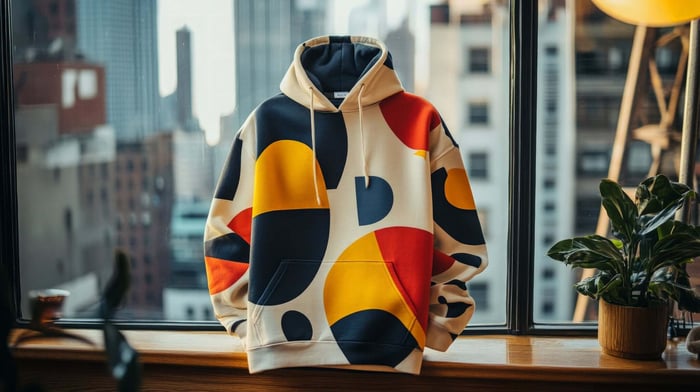
 Less noise, more intention—sustainable minimalist streetwear is a powerful way to avoid fast fashion and build a timeless wardrobe
Table of Contents
- Introduction
- Understanding Fast Fashion: What It Is and Why It Matters
- Solutions to Fast Fashion: How to Build a Sustainable Wardrobe
- How to Stop Fast Fashion Habits
- Ethical Clothing Brands to Consider
- 1. What Makes a Brand Ethical
- 2. EcoBear Wear: Premium Minimalist Streetwear for Change
- 3. Patagonia: The Original Sustainability Pioneer
- 4. Girlfriend Collective: Transparency in Every Thread
- 5. Tentree: Planting Change with Every Purchase
- 6. Everlane: Radical Transparency in Fashion
- 7. Reformation: Trendy Meets Transparent
- 8. How to Spot Greenwashing
- Creating a Sustainable Wardrobe
- Conclusion: Wear What You Believe In
- FAQs
Introduction
The fashion industry is changing fast — but not always for the better. From endless micro-trends on TikTok to $5 tops that barely survive a wash cycle, fast fashion has become a global symbol of overconsumption and waste. Learning how to avoid fast fashion isn’t just about shopping differently — it’s about reshaping your mindset around clothing, value, and self-expression.
For Gen Z, fashion is more than a trend — it’s activism. Every purchase sends a message about who you are and what you stand for. Choosing quality over quantity, embracing minimalism in fashion, and supporting ethical clothing brands like EcoBear Wear are not only smart style moves — they’re part of a collective shift toward a more sustainable future.
Understanding Fast Fashion: What It Is and Why It Matters
The Fast Fashion Cycle
Fast fashion is the production model built on speed, low cost, and disposability. Brands churn out new styles weekly — sometimes daily — pushing consumers to buy more, wear less, and repeat. The cost isn’t just measured in dollars but in environmental damage, unethical labor, and an endless cycle of waste.
According to CleanHub and Earth.org, over 100 billion garments are produced every year, yet 92 million tons end up in landfills. Each $10 tee or $20 hoodie contributes to a much larger problem: polluted water, underpaid workers, and a throwaway mindset that treats clothing as temporary.
But here’s the truth — fast fashion thrives on convenience and illusion. It offers accessibility but hides exploitation. To break the cycle, we must first understand its mechanisms.
How Fast Fashion Impacts the Planet and People
- Environmental Waste:
Most fast fashion items are made with synthetic fabrics like polyester, derived from fossil fuels. These materials shed microplastics into waterways every wash, contributing to ocean pollution and harming ecosystems. - Carbon Footprint:
The industry emits more CO₂ annually than international flights and shipping combined. A single cotton T-shirt can require up to 2,700 liters of water to produce — roughly what one person drinks in 3 years. - Labor Exploitation:
Fast fashion relies on cheap labor from factories in developing countries where workers are often paid below living wages and work in unsafe conditions. - Cultural Homogenization:
The speed of production eliminates creativity. Unique cultural craftsmanship and local artistry are replaced by mass-produced, trend-driven designs.
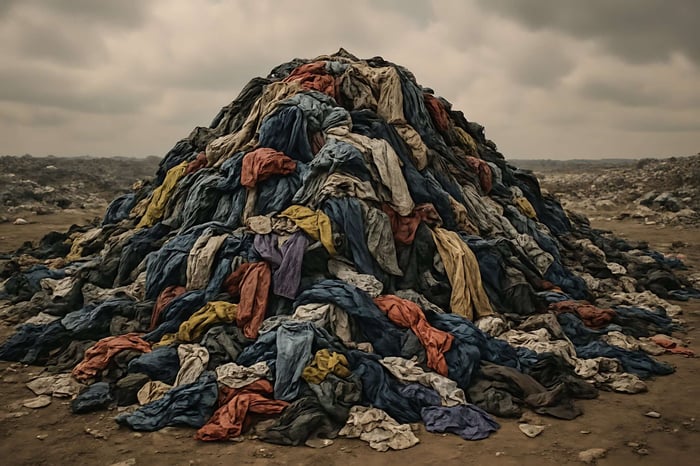 The hidden cost of cheap trends—landfills filled with discarded clothing show why avoiding fast fashion matters
The Rise of Conscious Consumption
The good news? A new generation of consumers is rewriting the rules. Gen Z is driving the slow fashion movement, demanding transparency, quality, and purpose from brands. Instead of chasing trends, many are building curated wardrobes rooted in self-expression and sustainability.
At EcoBear Wear, we believe in fewer, better pieces — minimalist essentials that blend comfort, performance, and environmental responsibility. Our garments are made locally in Canada from biodegradable TENCEL™ Lyocell, a fabric sourced from sustainably harvested wood pulp. Every hoodie, tee, and jogger represents the opposite of fast fashion: timeless, ethical, and built to last.
When you shift toward minimalism in fashion, you don’t just reduce clutter — you reclaim intention. You stop consuming for validation and start dressing with purpose.
 Gen Z is choosing better—sustainable activewear is a smart way to avoid fast fashion and build a conscious wardrobe
Solutions to Fast Fashion: How to Build a Sustainable Wardrobe
Avoiding fast fashion isn’t about perfection — it’s about progress. You don’t need to throw out your entire closet to make a difference. The goal is to buy less, choose wisely, and wear longer. Here are practical steps to create a sustainable, quality-first wardrobe that reflects your values.
1. Choose Quality Over Quantity
The fastest way to avoid fast fashion is to stop buying into its rhythm. Instead of chasing every drop, focus on craftsmanship and durability.
Look for ethical clothing brands that prioritize natural fabrics, responsible sourcing, and fair wages. Check stitching quality, fiber content, and transparency about manufacturing.
EcoBear Wear’s TENCEL™ collection, for example, is intentionally designed with longevity in mind — minimalist silhouettes that never go out of style and materials that hold shape wash after wash.
Pro Tip: When you invest in one premium hoodie that lasts five years instead of five cheap ones that last five months, you cut your environmental footprint — and elevate your wardrobe.
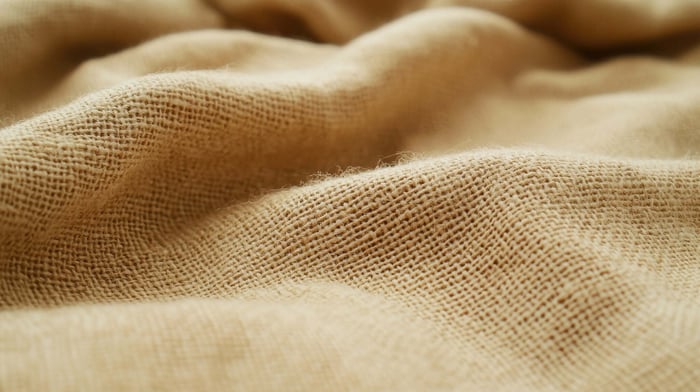 Quality over quantity—premium sustainable fabrics are key to avoiding fast fashion and building a longer-lasting wardrobe
2. Embrace Minimalism in Fashion
Minimalism isn’t about owning less for the sake of it — it’s about owning what matters. A minimal wardrobe helps reduce decision fatigue, consumption, and waste while amplifying your personal style.
Start by defining your signature look — the colors, fits, and fabrics you naturally reach for. Then, build a capsule collection around those essentials.
At EcoBear Wear, we champion minimalist streetwear that pairs effortlessly. Our neutral-toned hoodies, joggers, and tees mix and match seamlessly, giving you versatility without excess.
Style Insight: Minimalism doesn’t mean boring — it means intentional. It’s about choosing pieces that align with your lifestyle and values.
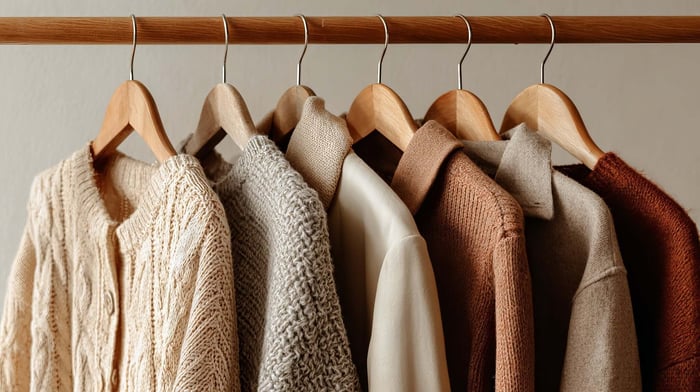 Own less, wear more—a minimalist capsule wardrobe is one of the easiest ways to avoid fast fashion
3. Support Ethical Clothing Brands
When you support brands that operate transparently, you help reshape the fashion industry. Look for companies that publish sustainability reports, use certified materials, and manufacture locally or under fair trade conditions.
Ethical brands like EcoBear Wear ensure that every piece — from the stitching to the packaging — aligns with eco-conscious values. Our production happens in Toronto, where we can oversee each step of the process to guarantee ethical labor and premium craftsmanship.
By choosing consciously, you cast a vote for a better system — one built on respect for both people and the planet.
4. Rewear, Repair, Repeat
Fast fashion’s worst habit? Treating clothes as disposable. Breaking that mindset means learning to care for what you own.
Wash cold, hang dry, and repair small damages instead of replacing. Even simple habits like air drying extend garment life while reducing energy use.
EcoBear Wear pieces are made to be lived in — and last. By treating them with care, you not only reduce waste but also strengthen your connection to what you wear.
5. Mind Your Materials
Materials matter. When shopping, look beyond the style — read the labels. Avoid polyester-heavy blends and seek fabrics like TENCEL™ Lyocell, organic cotton, or hemp, which biodegrade naturally and minimize pollution.
Choosing sustainable fabrics isn’t just an environmental win — it’s a comfort upgrade. Breathable, soft, and moisture-resistant materials elevate your everyday wear.
At EcoBear Wear, every piece starts with fabric that feels as good as it looks — natural, biodegradable, and gentle on skin.
6. Slow Down and Rethink Trends
Fast fashion thrives on urgency — “Buy now, wear once.” But timeless style never expires. Instead of chasing each viral trend, focus on silhouettes and colors that transcend seasons.
Create your own style identity rooted in sustainability. Let what you wear tell a story of purpose, not impulse.
Gen Z is redefining what’s cool — not trend cycles, but conscious consumption. Slow is the new bold.
7. Educate Yourself and Inspire Others
Every small choice compounds into collective impact. Learn about the environmental and social issues linked to fashion. Follow sustainability creators, read eco-conscious blogs, and share what you learn with your circle.
When you wear EcoBear Wear, you’re not just wearing clothes — you’re representing a movement that values transparency, craftsmanship, and responsibility. Use your platform to spark conversations and influence others to make better fashion choices.
Together, we can slow down the system and redefine what modern fashion means.
How to Stop Fast Fashion Habits
Breaking free from fast fashion is less about rules and more about redefining your relationship with style. Once you understand how to avoid fast fashion, the next step is addressing the everyday habits that feed it — impulse buys, short-term trends, and emotional shopping.
Fast fashion’s strength lies in its speed. But the power to slow it down? That’s in your hands.
1. Unsubscribe from Trend Overload
Your inbox, TikTok feed, and Instagram Reels are designed to make you crave what’s new. But those “must-have” drops often end up forgotten after a few wears. Start by unsubscribing from fast-fashion mailing lists, muting influencer ads that promote overconsumption, and curating your digital environment to align with your values.
Follow sustainability creators, capsule wardrobe stylists, and ethical clothing brands instead. Let your feed inspire mindfulness — not mindless consumption.
EcoBear Wear Tip: Replace “What’s new?” with “What lasts?” in your shopping mindset. That simple shift builds awareness and helps you embrace minimalism in fashion naturally.
2. Audit Your Closet
Before buying anything new, take inventory of what you already own. Most people wear only 20% of their wardrobe 80% of the time. Decluttering helps you rediscover forgotten gems and reduces your urge to impulse-buy duplicates.
Lay out your essentials — hoodies, tees, joggers, outerwear — and identify what you truly wear on repeat. From there, build a capsule wardrobe rooted in quality over quantity.
At EcoBear Wear, every piece is designed to integrate seamlessly with your existing closet. Our neutral-tone staples make mix-and-match dressing easy while keeping your style elevated and sustainable.
3. Adopt the “30 Wears” Rule
Ask yourself: Will I wear this at least 30 times?
If the answer’s no, skip it.
The “30 wears rule,” popularized by sustainable fashion advocates, encourages intentional purchasing. It’s one of the simplest solutions to fast fashion, teaching you to prioritize longevity over novelty.
When you invest in timeless, versatile pieces, your wardrobe naturally becomes more sustainable. Our EcoBear Wear Terra Hoodie is the perfect example — built to last, ethically produced, and designed to stay relevant season after season.
4. Rethink How You Shop
Buy less — and when you do, buy better.
Before adding to cart, research a brand’s materials, manufacturing process, and transparency reports. If you can’t find that information easily, it’s a red flag. Opt for ethical clothing brands that publish sustainability commitments or certifications like OEKO-TEX®, GOTS, or B Corp.
Slow shopping also means waiting. Pause 24 hours before purchasing to ensure it’s something you genuinely want and need. Over time, this habit rewires your buying psychology — reducing impulsivity and supporting your long-term financial and environmental goals.
5. Explore Secondhand and Clothing Swaps
Thrifting isn’t just budget-friendly — it’s planet-friendly. Buying pre-loved clothes reduces demand for new production and gives garments a second life. Apps like Depop, Poshmark, and ThredUp make secondhand shopping accessible from your phone.
Organize local clothing swaps with friends or community groups. It’s a sustainable way to refresh your wardrobe while strengthening your social impact network.
EcoBear Wear supports conscious consumption beyond our brand — because sustainability thrives in community, not competition.
6. Care for What You Own
Sustainability doesn’t stop at purchase — it’s in the care. Proper washing, storing, and repairing can double a garment’s lifespan.
Wash cold, use gentle detergent, and hang dry whenever possible. Avoid harsh chemicals and tumble drying, which weaken natural fibers over time. When something rips or fades, repair it before replacing it.
We design our pieces with longevity in mind, so caring for them is effortless — and rewarding. It’s one of the most powerful ways to stop fast fashion habits and embrace mindful ownership.
7. Align Fashion with Your Values
Ask yourself: Does this brand reflect my beliefs?
If a company profits from overproduction, unethical labor, or greenwashing, it’s not worth your dollar. Aligning fashion with your ethics ensures that every purchase becomes an extension of your values.
EcoBear Wear was built on that principle — merging sustainability, design, and social responsibility. We believe that conscious choices don’t sacrifice style; they define it.
Ethical Clothing Brands to Consider
Knowing how to avoid fast fashion is only half the journey — the other half is finding brands that actually live by those values. Ethical fashion means transparency, responsibility, and design that lasts. Here’s how to identify brands worth supporting — plus examples leading the change.
1. What Makes a Brand Ethical
An ethical clothing brand goes beyond buzzwords like “eco” or “green.” It ensures every part of the process — from fiber sourcing to packaging — meets rigorous social and environmental standards. Look for:
- Sustainable materials: Organic cotton, TENCEL™ Lyocell, bamboo, hemp, or recycled fibers.
- Fair labor practices: Ethical wages, safe working conditions, and local production oversight.
- Low-impact dyes and packaging: Non-toxic dyes and biodegradable packaging options.
- Transparency: Detailed sustainability reports and supply-chain disclosures.
When in doubt, ask: Who made my clothes? What are they made of? Ethical brands have nothing to hide.
2. EcoBear Wear: Premium Minimalist Streetwear for Change
At EcoBear Wear, we believe sustainability and style should coexist — seamlessly. Our collections are made in Canada from TENCEL™ Lyocell, a biodegradable fabric derived from sustainably harvested wood pulp.
Each piece — from the Terra Hoodie to the Lyocell Tee — embodies quality over quantity, designed to last years instead of months. We produce in small batches to minimize waste, package orders in recyclable materials, and print labels using soy-based ink.
Our mission is simple: create premium streetwear that feels good, looks good, and does good. For Gen Z consumers who crave authenticity and transparency, EcoBear Wear is more than a brand — it’s a movement.
3. Patagonia: The Original Sustainability Pioneer
Patagonia has long been a model of responsible fashion. From its transparent supply chain to lifetime repair policy, the brand has proven that environmental ethics and profitability can coexist.
They encourage customers to repair and rewear — not replace — their clothes, inspiring a culture shift in the outdoor industry.
4. Girlfriend Collective: Transparency in Every Thread
Girlfriend Collective redefines activewear by using recycled plastic bottles and fishing nets to make soft, durable leggings and tops. The brand publishes its entire production process online, showing that real sustainability starts with accountability.
Its body-inclusive sizing and transparent manufacturing model align perfectly with Gen Z’s demand for representation and ethics in fashion.
5. Tentree: Planting Change with Every Purchase
For every product sold, Tentree plants ten trees. Their traceable supply chain and sustainable materials like hemp and organic cotton make them a trusted name among eco-minded consumers.
They embody solutions to fast fashion by connecting each purchase to tangible environmental impact.
6. Everlane: Radical Transparency in Fashion
Everlane made ethical production cool by revealing exact costs, factory details, and markup for every item. Their minimalist aesthetic and long-lasting basics prove that minimalism in fashion can be accessible and aspirational.
7. Reformation: Trendy Meets Transparent
Reformation bridges the gap between trend-driven design and sustainability. They use deadstock fabrics and publish quarterly sustainability reports, holding themselves accountable to measurable goals.
Their motto says it best: “Being naked is the #1 most sustainable option. We’re #2.”
8. How to Spot Greenwashing
Not every “eco-friendly” label tells the truth. Some brands use sustainability as marketing without making meaningful change — a tactic called greenwashing.
Red flags include vague terms (“conscious,” “eco,” “sustainable”) without data, lack of material transparency, or limited “eco collections” while most products remain unsustainable.
Always research brand reports and verify certifications. Trust data, not slogans.
EcoBear Wear Insight: Authenticity is measurable. Real sustainability is visible in design, not just in description.
Creating a Sustainable Wardrobe
Learning how to avoid fast fashion starts with awareness — but building a sustainable wardrobe is where awareness turns into action. A sustainable closet isn’t just about owning fewer clothes; it’s about creating a system that supports longevity, versatility, and responsibility.
For Gen Z, this isn’t a trend — it’s a lifestyle. It’s redefining what fashion means by prioritizing quality over quantity, investing in ethical clothing brands, and embracing minimalism in fashion without sacrificing style.
1. Build a Capsule Collection
A capsule wardrobe is the foundation of sustainable fashion. It’s a curated selection of versatile pieces that work together effortlessly, allowing you to do more with less.
Start with your everyday staples — a high-quality hoodie, breathable tee, neutral joggers, and a well-fitted jacket. Focus on comfort, durability, and timeless design rather than micro-trends that fade within a season.
At EcoBear Wear, our minimalist streetwear is designed exactly for this — to simplify your life without compromising your aesthetic. Each piece is crafted to mix and match seamlessly, giving you endless outfit options from a compact, intentional closet.
Style Tip:
Stick to a consistent color palette. Earth tones like sand, olive, and charcoal pair beautifully with almost anything, creating a clean, cohesive wardrobe.
2. Choose Fabrics That Last (and Love the Planet)
The fabric you choose has one of the biggest impacts on your wardrobe’s sustainability. Avoid synthetic fibers like polyester, nylon, or acrylic — they shed microplastics, rely on fossil fuels, and degrade slowly.
Instead, look for natural or semi-synthetic fibers such as TENCEL™ Lyocell, organic cotton, or hemp. These fabrics are breathable, biodegradable, and far more durable.
At EcoBear Wear, every hoodie, pant, and tee is made with TENCEL™ Lyocell, known for its silky softness and eco-friendly production. It’s a fiber derived from sustainably harvested wood pulp and produced in a closed-loop system, meaning 99% of the water and solvents are reused.
Care Tip:
Wash cold and hang dry to preserve the integrity of your fabrics. Small care habits extend the life of your garments — the easiest solution to fast fashion is longevity.
3. Practice Intentional Shopping
Creating a sustainable wardrobe doesn’t mean you never shop again — it means shopping with intention. Ask yourself:
- Do I need this piece, or do I want it because it’s trending?
- Does it align with my personal style and values?
- Can I see myself wearing it at least 30 times?
This mindset shift helps you break free from the endless consumption loop and focus on value over volume.
When you do buy, choose from ethical clothing brands that are transparent about their sourcing and production. Look for small-batch labels, local artisans, or companies like EcoBear Wear that prioritize sustainability from thread to tag.
EcoBear Insight:
Every intentional purchase is a vote. When you choose consciously, you’re investing in your wardrobe and divesting from the fast fashion machine.
4. Master the Art of Layering and Rewearing
A sustainable wardrobe isn’t about having more — it’s about making more of what you have. Layering allows you to create new looks using the same base pieces, stretching your closet’s versatility.
Pair your favorite EcoBear Wear hoodie under a light trench or layer your Lyocell tee with a structured overshirt for a modern, elevated look. Rewearing doesn’t have to mean repetition — it means creativity.
Pro Tip:
Document your favorite outfit combinations in a digital lookbook or on Pinterest. Seeing your own style evolve makes it easier to resist the urge for unnecessary new buys.
5. Support Local and Ethical Brands
Fast fashion thrives on global overproduction. Supporting local or ethical brands breaks that cycle. When you buy locally made clothing, you’re supporting fair wages, reducing carbon emissions, and investing in your own community.
At EcoBear Wear, every piece is proudly made in Canada under ethical production standards. From our factory partners to our eco-friendly packaging, every choice we make prioritizes people and the planet.
Local craftsmanship means you get premium quality — not mass-produced mediocrity. You feel the difference in every stitch.
6. Rent, Swap, or Borrow
Sustainability doesn’t mean restriction — it’s about creativity and community. Try clothing rental services for special occasions or borrow from friends instead of buying new outfits for one-time events.
Clothing swaps are another fun way to refresh your closet sustainably. Host a swap night where everyone brings gently used items — it’s a win-win: new looks without new waste.
The more we normalize reusing, the faster we shift away from disposable fashion culture.
7. Recycle or Repurpose Old Clothing
Eventually, even the best-quality garments reach the end of their lifecycle — but that doesn’t mean the landfill is their fate.
You can:
- Donate wearable items to local charities.
- Repurpose old tees into cleaning cloths or tote bags.
- Use textile recycling programs like TerraCycle or local drop-offs.
At EcoBear Wear, our long-term goal includes implementing a take-back recycling program, encouraging our community to keep clothing in circulation and out of waste streams.
Every step, no matter how small, contributes to lasting solutions to fast fashion.
8. Create a Signature Style
Fashion trends will come and go, but your personal style is timeless. When you know your aesthetic — whether it’s minimalist, streetwear-inspired, or nature-core — you shop less and wear more.
Experiment with silhouettes, textures, and colors until you find what feels authentically you. Once you lock that in, you’ll notice how easy it becomes to resist trend cycles.
Gen Z is redefining individuality not by owning more, but by expressing more with less. EcoBear Wear’s pieces are designed to complement your evolving style, not control it.
Conclusion: Wear What You Believe In
Avoiding fast fashion isn’t just a shopping strategy — it’s a lifestyle shift. It’s choosing consciousness over convenience, quality over quantity, and purpose over impulse.
A sustainable wardrobe isn’t built overnight, but with every mindful purchase, repair, or outfit repeat, you’re creating a ripple effect that challenges an entire industry.
At EcoBear Wear, we’re proud to be part of that change — crafting minimalist streetwear that combines premium design, ethical craftsmanship, and environmental responsibility. Our mission is simple: to make sustainability the new standard in fashion.
When you choose slow fashion, you’re not just building a wardrobe. You’re building a future. One where fashion is ethical, minimal, and meaningful.
FAQs
What is the best way to avoid fast fashion?
The best way to avoid fast fashion is to buy less and choose better. Focus on timeless, high-quality pieces from ethical clothing brands instead of chasing short-lived trends. Look for sustainable fabrics like TENCEL™ Lyocell or organic cotton, and invest in durable essentials that align with your style and values.
How can minimalism in fashion help the planet?
Minimalism in fashion reduces overconsumption and waste by encouraging intentional buying. A minimalist wardrobe prioritizes quality over quantity, meaning you own fewer pieces that last longer. This slows down the demand for mass production — one of the biggest environmental challenges in the fashion industry.
What are some real solutions to fast fashion?
Real solutions to fast fashion include supporting ethical clothing brands, buying secondhand, repairing your clothes, and choosing natural fabrics. You can also extend the life of your wardrobe by washing cold, air-drying, and avoiding impulse purchases. Every small action contributes to a more sustainable system.
How do I find ethical clothing brands I can trust?
Look for brands that share transparent information about their sourcing, materials, and manufacturing process. Certifications like OEKO-TEX®, B Corp, or Fair Trade are good signs. Brands such as EcoBear Wear focus on sustainability from fabric selection to packaging — giving you full visibility and peace of mind.
Can Gen Z really make an impact by avoiding fast fashion?
Absolutely. Gen Z’s demand for transparency, sustainability, and authenticity is reshaping the fashion industry. When you choose slow, ethical fashion and spread awareness, you influence peers, brands, and policies. Collective action — one hoodie, one tee, one mindful choice at a time — drives lasting change.