
 Everyday comfort, redefined—olive sustainable sweatpants designed for style, softness, and a lower environmental impact
Table of Contents
- Introduction: Comfort Meets Consciousness
- Understanding Sustainable Sweatpants
- Sustainable Fashion Trends
- Exploring Women’s Sustainable Joggers
- Eco-Friendly Sweatpants for Every Occasion
- Making the Switch to Sustainable Options
- 1. Start With Awareness: Knowing the True Cost of Fast Fashion
- 2. Choose Materials That Respect the Planet
- 3. Prioritize Longevity Over Quantity
- 4. Support Brands That Walk the Talk
- 5. Mix Functionality with Style
- 6. Embrace the Mindset, Not Just the Material
- 7. The EcoBear Wear Difference: Designed for the Planet and You
- Conclusion: Wear Your Impact
- FAQs
Introduction: Comfort Meets Consciousness
There’s a reason sustainable sweatpants have become the new uniform for Gen Z. They’re not just about staying cozy—they’re about wearing your values. As sustainability moves from buzzword to baseline, every stitch, fiber, and fit starts to matter. EcoBear Wear’s take on sustainability goes beyond fabric—it’s about crafting minimalist streetwear that respects both people and planet.
Gone are the days when loungewear meant baggy fleece from fast-fashion racks. Today’s sweatpants are sleek, functional, and ethically made, reflecting a growing movement toward sustainable loungewear and sustainable activewear that actually looks good outside the house. It’s slow fashion with streetwear swagger—comfortable enough for lazy Sundays, elevated enough for café runs, and sustainable enough to make you proud.
Understanding Sustainable Sweatpants
Sustainable sweatpants aren’t just about soft fabrics—they represent a shift in mindset. They’re the antidote to disposable fashion culture, crafted for longevity and low environmental impact. But what exactly makes sweatpants sustainable?
1. The Fabric Revolution: From Plastic to Plants
Traditional sweatpants often rely on polyester, nylon, or blended fabrics that shed microplastics with every wash. The new wave of sustainable activewear swaps synthetics for plant-based fibers like organic cotton, hemp, and TENCEL™ Lyocell—materials that biodegrade, breathe, and feel luxuriously soft against the skin.
TENCEL™ Lyocell, a favorite at EcoBear Wear, is made from responsibly sourced eucalyptus trees using a closed-loop system that recycles over 99 percent of solvents. It’s proof that sustainability can be science-driven and sensorial. The result? Sweatpants that drape beautifully, wick moisture naturally, and age gracefully with each wear.
“At EcoBear Wear, we believe sustainability isn’t a label—it’s a lifestyle woven into every thread.”
 The fabric behind the comfort—TENCEL™ lyocell delivers softness, breathability, and sustainability in modern sweatpants
2. Minimal Waste, Maximum Impact
Sustainability isn’t just about the fabric—it’s about how garments are made. Brands like PANGAIA and Harvest & Mill have inspired a production shift toward small-batch manufacturing and ethical labor practices. EcoBear Wear takes it further by producing locally in Canada, supporting transparent supply chains, and minimizing carbon emissions from transport.
Every pair of sweatpants is cut to reduce off-cuts, and any leftover fabric is repurposed for accessories or sampling. That’s the circular mindset fast fashion lacks.
Key takeaway: Sustainable sweatpants aren’t mass-produced—they’re mindfully made.
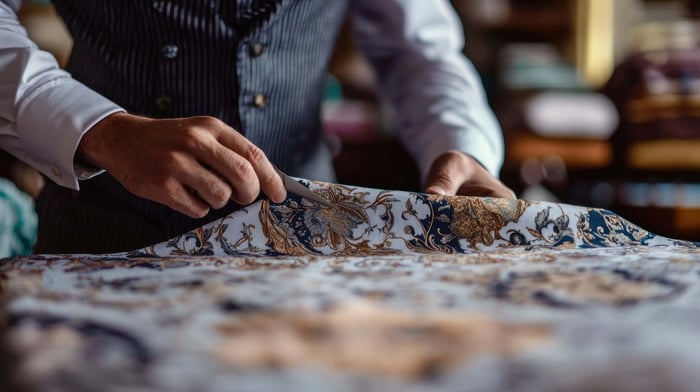
Designed with purpose—every pair of sustainable sweatpants starts with careful pattern-making and responsible production
3. Conscious Comfort: The Feel-Good Fit
Gen Z is redefining what “fit” means. It’s not just about size—it’s about functionality and feeling. Sustainable sweatpants combine ergonomic design with eco-innovation: elasticated waistbands, recycled drawstrings, and natural dye finishes that feel gentle on both skin and planet.
Many sustainable loungewear brands—like Tentree and Happy Earth Apparel—prioritize wearability for every body type. EcoBear Wear builds on this with gender-inclusive silhouettes and minimalist tones like oat, charcoal, and moss, designed to mix effortlessly into a capsule wardrobe.
Why it matters: The perfect pair of sweatpants shouldn’t just look good—they should live good.
4. The Hidden Cost of “Cheap” Sweatpants
According to Vogue’s recent feature on sustainable sweatsuits, most fast-fashion sweatpants are produced with synthetic fibers and toxic dyes that pollute waterways. Add unethical labor to the mix, and that $20 pair becomes a planetary problem.
In contrast, ethical sweatpants prioritize fair wages, clean water usage, and circular design principles. Choosing sustainable options like EcoBear Wear’s means investing in quality that doesn’t compromise values—or comfort.
 The hidden cost of fashion—polluted dye water highlights why choosing sustainable sweatpants matters
Sustainable Fashion Trends
Sustainable sweatpants don’t exist in isolation—they’re part of a larger cultural shift redefining fashion itself. From slow fashion to circular design, here’s how the movement is evolving and why Gen Z is leading it.
1. The Rise of Conscious Streetwear
Streetwear was once about rebellion. Now, it’s about responsibility. Brands like PANGAIA, Tentree, and EcoBear Wear are showing that street style can coexist with sustainability. The new cool is carbon-neutral comfort—think joggers made from recycled textiles, biodegradable threads, and minimalist branding.
Gen Z isn’t impressed by logos anymore. They’re drawn to authentic narratives—brands that show receipts for their sustainability claims. Transparency is the new flex.
“If it’s not traceable, it’s not wearable.”
EcoBear Wear’s minimalist sweatpants reflect this mindset: every design choice, from fabric sourcing to packaging, is traceable and transparent.
 Clean, comfortable, and conscious—minimalist sustainable sweatpants designed for everyday wear
2. Capsule Wardrobes and Mindful Design
Another major sustainable fashion trend is the return of the capsule wardrobe—fewer, better pieces designed to mix and match seamlessly. Sustainable sweatpants fit right in: they’re versatile enough to move from workout to work-from-home to weekend errands.
EcoBear Wear encourages this mindset with neutral palettes, timeless fits, and durable TENCEL™ Lyocell fabrics that maintain structure over years, not months. The goal? Clothing that lasts and layers easily with the rest of your wardrobe.
A Gen Z-approved capsule might include one pair of sustainable sweatpants, a premium organic cotton tee, a neutral hoodie or crewneck, and a pair of minimalist sneakers. This “buy less, choose better” approach aligns perfectly with slow fashion values—and saves both money and the planet.
3. Technology and Transparency
Sustainability is getting smarter. New tech allows brands to track the lifecycle of their garments through digital IDs and blockchain transparency. Consumers can now scan a QR code on their tag and trace where and how their sweatpants were made.
EcoBear Wear integrates this concept into packaging and hang tags—each item comes with a QR code that connects you to the story of your piece, from design to delivery. This isn’t just marketing—it’s accountability.
As Gen Z shoppers demand verifiable ethics, brands that fail to innovate risk irrelevance. The future of fashion is open-source, transparent, and traceable.
4. Local and Low-Impact Manufacturing
Shipping has a massive carbon footprint. That’s why the most forward-thinking brands are localizing production to minimize transportation emissions and support community craftsmanship. In Canada, where EcoBear Wear produces its apparel, this means partnering with small ethical factories and investing in green energy manufacturing.
Local production also means faster restocks, fair wages, and traceability that global supply chains can’t match. For Gen Z, who care as much about where something is made as how, that’s a deciding factor.
5. Beyond Fabric: The Full Lifecycle Approach
The final frontier of sustainable fashion is end-of-life planning. EcoBear Wear’s upcoming recycling initiative encourages customers to return worn-out items for responsible repurposing. Whether transformed into insulation material or remade into new garments, this keeps textiles out of landfills and closes the loop.
Pair that with biodegradable packaging—like glassine bags and compostable mailers—and you’ve got a full-circle approach that aligns with Gen Z’s demand for systemic change, not just surface-level sustainability.
Exploring Women’s Sustainable Joggers
Sustainable sweatpants aren’t just reshaping loungewear—they’re redefining the future of women’s streetwear. For Gen Z, comfort and conscience go hand in hand. The new generation of women’s sustainable joggers blends functionality, softness, and sustainability into one perfect fit. These aren’t the oversized fleece pants of the past—they’re tailored, timeless, and ethically produced.
The popularity of sustainable sweatpants for women reflects a powerful shift in fashion behavior. According to Vogue, search interest for “sustainable sweatsuits” and “eco joggers” has risen sharply as shoppers move away from fast fashion. Today’s buyers want performance-level comfort with low environmental impact—and brands like EcoBear Wear are answering that call with slow fashion craftsmanship that feels luxurious and lasts.
1. Elevated Essentials for Everyday Movement
Women’s sustainable joggers are built to do more than lounge. They move seamlessly from yoga sessions to morning commutes and weekend coffee runs. The goal is versatility: pieces that are breathable enough for a studio workout and elevated enough to wear out.
EcoBear Wear’s upcoming women’s line follows this principle with TENCEL™ Lyocell and organic cotton blends, offering a silky feel that resists pilling and supports all-day wear. Unlike synthetic fabrics, these natural fibers regulate temperature and wick moisture naturally—keeping you comfortable without compromising on ethics.
Other leaders in the space, such as PANGAIA and Harvest & Mill, have shown that innovation and sustainability can coexist. PANGAIA’s bio-based joggers use seaweed fiber and recycled cotton, while Harvest & Mill’s pieces are milled and sewn in the USA from undyed organic cotton. EcoBear Wear brings that same integrity to its Canadian-made production, using short-run ethical manufacturing to reduce waste and ensure fair labor at every step.
2. Tailored Comfort and Gender-Inclusive Fit
One of the biggest issues in mainstream loungewear is fit inconsistency. Sustainable brands are changing that narrative by offering gender-inclusive designs that adapt to real bodies. Women’s sustainable sweatpants now feature tapered silhouettes, adjustable waists, and ankle cuffs that provide structure without stiffness.
EcoBear Wear prioritizes comfort with minimalist detailing—flat seams, soft elastic bands, and slightly cropped hems that complement sneakers or slides. It’s a refined take on a wardrobe essential: sporty, sculpted, and socially responsible.
3. Why Women Are Ditching Fast-Fashion Joggers
Fast fashion’s grip is loosening—and sweatpants are one of the most visible battlegrounds. Synthetic joggers might seem cheap upfront, but they often fray, fade, and shed microplastics after just a few washes. Sustainable joggers cost more because they’re built to last.
According to The Good Trade, premium organic sweatpants can last years with proper care, reducing landfill waste and long-term clothing costs. Women who invest in sustainable joggers are choosing durability, softness, and ethics over disposable trends. The shift is clear: conscious consumers now value transparency as much as texture.
4. Designed to Mix, Match, and Move
The beauty of sustainable joggers lies in their simplicity. They’re designed to be worn with anything—oversized tees, structured outerwear, or matching crewnecks for coordinated looks. EcoBear Wear’s minimalist palette of sand, graphite, and forest green allows easy styling across seasons.
Many Gen Z shoppers are embracing the capsule wardrobe mindset, where one high-quality piece replaces several disposable ones. A single pair of women’s sustainable joggers can adapt to multiple looks: paired with a hoodie for errands, a cropped top for workouts, or a structured jacket for streetwear styling.
This modular approach not only simplifies dressing but reinforces the slow fashion principle of quality over quantity—a philosophy central to EcoBear Wear’s brand identity.
Eco-Friendly Sweatpants for Every Occasion
The era of single-purpose clothing is over. The best sustainable sweatpants work across occasions—from cozy lounging to elevated everyday wear. They fit the modern Gen Z lifestyle: hybrid, fast-paced, and eco-conscious.
1. Loungewear That Doesn’t Look Lazy
The pandemic blurred the line between homewear and streetwear, and sustainable brands have responded with loungewear that feels luxurious yet looks intentional. Sustainable sweatpants bring structure and sophistication to casual outfits, making them appropriate for Zoom calls, creative workdays, or spontaneous outings.
EcoBear Wear’s design approach follows this hybrid ethos. Every pair combines premium feel with clean design—no flashy logos, no unnecessary details, just simplicity done right. This philosophy mirrors that of Grey State Apparel and Tentree, both known for refined essentials that balance comfort and sustainability.
2. From Studio to Street: Sustainable Activewear That Performs
Performance meets purpose in today’s sustainable activewear. Materials like TENCEL™ Lyocell, recycled elastane, and organic cotton blends are replacing petroleum-based synthetics in modern joggers. The result: fabric that’s breathable, moisture-wicking, and biodegradable.
For Gen Z athletes and creatives alike, this fusion of sustainability and performance is non-negotiable. EcoBear Wear’s sweatpants are designed for movement—whether it’s stretching, walking, or creating. Their minimalist aesthetic aligns with activewear brands like Happy Earth Apparel, but with a distinctly Canadian identity focused on local craftsmanship.
3. Travel-Ready and Planet-Friendly
In an age of minimalist travel, sustainable sweatpants are the ultimate companion. They pack light, resist wrinkles, and stay fresh longer thanks to natural antibacterial fibers like TENCEL Lyocell. Unlike synthetics that trap odors, these eco fabrics breathe—ideal for travel days, long flights, or weekend getaways.
EcoBear Wear designs each pair with intentional utility—hidden side pockets, secure stitching, and drawstring waistbands that adapt from lounge to adventure. They’re proof that sustainability doesn’t mean sacrificing practicality.
4. Cozy Nights, Clean Conscience
Few things feel better than slipping into soft sweatpants at the end of a long day—except knowing they were made responsibly. Sustainable loungewear provides warmth without waste, thanks to renewable fabrics and ethical manufacturing.
EcoBear Wear’s sweatpants are dyed using non-toxic, low-water processes, creating soft neutral tones inspired by nature. Every piece tells a story of craftsmanship and care, reflecting the brand’s mission to build a fashion ecosystem rooted in transparency.
5. From Runway to Real Life: The Rise of Eco-Athleisure
Fashion is cyclical—but this time, it’s smarter. The global athleisure market has embraced sustainability as its future. Designers are merging high-fashion aesthetics with eco-responsible materials, creating elevated sweatpants that look just as good on the runway as they do in everyday life.
The Sustainable Jungle review of “planet-loving sweatpants” highlights brands prioritizing biodegradable fabrics, ethical labor, and timeless fits. EcoBear Wear embodies all three pillars, positioning its minimalist sweatpants as a premium alternative to fast-moving trends. The goal isn’t just to follow sustainable fashion trends—it’s to set them.
Making the Switch to Sustainable Options
Switching to sustainable sweatpants isn’t just a wardrobe upgrade—it’s a lifestyle shift. For Gen Z and millennials alike, sustainability is no longer an afterthought; it’s the baseline for how we live, consume, and express ourselves. The transition to sustainable loungewear and sustainable activewear represents a quiet rebellion against fast fashion’s waste and excess. It’s a way of saying that what you wear should align with your values—and still look good doing it.
The good news? Making the switch doesn’t have to be complicated or expensive. It’s about being intentional, informed, and inspired. EcoBear Wear believes in small, meaningful steps toward a better wardrobe—one pair of ethically made sweatpants at a time.
1. Start With Awareness: Knowing the True Cost of Fast Fashion
Before you swap your old joggers for a sustainable pair, it’s important to understand what you’re leaving behind. The traditional fashion industry is one of the world’s top polluters, responsible for massive water consumption, toxic dye runoff, and unethical labor practices.
Synthetic sweatpants made from polyester or nylon may look comfortable, but they’re petroleum-based, non-biodegradable, and shed microplastics with every wash. According to The Good Trade and Vogue’s features on sustainable sweatsuits, the average synthetic garment can take up to 200 years to decompose. In contrast, sustainable materials like organic cotton, hemp, and TENCEL™ Lyocell break down naturally—leaving no trace but comfort.
EcoBear Wear takes this commitment seriously by crafting apparel in Canada using small-batch production and eco-certified fabrics. This local-first model reduces emissions and ensures ethical working conditions, making every purchase a vote for positive change.
2. Choose Materials That Respect the Planet
When it comes to sustainable sweatpants, the material matters most. Look for certifications and fabric sources that guarantee quality and ethics. The best sustainable options combine comfort, durability, and environmental integrity.
- Organic Cotton: Grown without pesticides or synthetic fertilizers, it uses up to 90% less water than conventional cotton.
- TENCEL™ Lyocell: A closed-loop, wood-based fiber known for its silky texture, breathability, and biodegradability.
- Hemp: Naturally resistant to pests, requires minimal water, and adds structure to soft blends.
- Recycled Fibers: Extend the lifespan of existing textiles while reducing landfill waste.
EcoBear Wear’s sustainable sweatpants are primarily made with TENCEL™ Lyocell and organic cotton, creating the perfect balance between softness and strength. The brand also uses low-impact dyes and biodegradable packaging to reduce waste across every stage of production.
3. Prioritize Longevity Over Quantity
The most sustainable wardrobe is the one you already own—but when it’s time to buy, choose pieces built to last. Fast-fashion sweatpants are cheap because they’re designed to wear out quickly, forcing you to repurchase frequently. Sustainable sweatpants flip that model by focusing on quality, not quantity.
EcoBear Wear’s minimalist designs are intentionally timeless. The color palette—neutral, nature-inspired tones like sand, moss, and graphite—means your sweatpants will stay relevant season after season. Reinforced stitching and pre-shrunk fabrics ensure they hold their shape, even after repeated washes.
This approach reflects the principles behind the slow fashion movement, where longevity replaces disposability and craftsmanship replaces mass production. Investing in fewer, better pieces is not just good for your wardrobe—it’s good for the planet.
4. Support Brands That Walk the Talk
Sustainability should be transparent, not trendy. Many brands now claim to be “eco-friendly,” but only a few provide verifiable evidence of ethical production. When evaluating where to buy your next pair of sustainable activewear, look for brands that disclose material sourcing, manufacturing practices, and packaging methods.
PANGAIA, for example, uses cutting-edge bio-based materials, while Harvest & Mill focuses on traceable U.S. cotton. Tentree plants ten trees per purchase, promoting environmental regeneration. Similarly, EcoBear Wear offers total transparency: every piece includes a QR code hang tag that links to its story—from fabric source to final stitch.
This level of traceability builds trust and strengthens the connection between customer and clothing. It’s not just fashion; it’s a relationship rooted in integrity.
5. Mix Functionality with Style
For many, the biggest hesitation about switching to sustainable options is the assumption that eco-friendly clothing lacks style. That’s a misconception. The modern wave of sustainable fashion is sleek, stylish, and street-ready.
EcoBear Wear’s sweatpants embody this evolution: a clean silhouette, soft drape, and neutral tones that pair effortlessly with tees, hoodies, or outerwear. The look is understated yet elevated—a reflection of Gen Z’s minimalist aesthetic that values authenticity over flash.
The best part? These pieces perform just as well as their synthetic counterparts. Whether you’re heading to a café, working out, or traveling, sustainable sweatpants keep up without compromising ethics or comfort.
6. Embrace the Mindset, Not Just the Material
True sustainability isn’t about perfection—it’s about progress. Transitioning to eco-conscious clothing starts with small, consistent changes. Swap one item at a time, avoid impulse buys, and focus on versatility.
A single pair of high-quality sustainable sweatpants can replace multiple fast-fashion versions that wear out quickly. Building a capsule wardrobe rooted in ethical fashion means spending less over time while making a greater impact.
EcoBear Wear encourages this journey with a simple message: wear your impact. Every purchase supports local production, sustainable materials, and the broader mission of slow fashion.
7. The EcoBear Wear Difference: Designed for the Planet and You
What sets EcoBear Wear apart isn’t just the materials—it’s the philosophy. The brand’s mission goes beyond creating sustainable sweatpants; it’s about fostering a lifestyle that unites fashion, mindfulness, and environmental care.
Each EcoBear Wear piece is made in Canada from premium, biodegradable fabrics, supporting local artisans and fair labor. The designs are minimalist yet elevated, aligning with sustainable fashion trends that prioritize comfort, quality, and authenticity. From eco-certified packaging to ethical production, every detail reflects the brand’s core belief: fashion should never cost the planet.
Conclusion: Wear Your Impact
The rise of sustainable sweatpants signals a profound shift in how we define fashion, comfort, and responsibility. For Gen Z, it’s no longer about chasing trends—it’s about choosing better. It’s about expressing identity through purpose, not overconsumption.
EcoBear Wear’s mission aligns with this generational change. Every pair of sweatpants represents a promise: to protect the planet, empower ethical labor, and redefine what it means to feel comfortable—in your clothes and your choices.
Sustainable sweatpants are more than fabric and thread; they’re symbols of progress. They remind us that style and sustainability aren’t separate—they’re stronger together.
When you choose better, you live better. And with EcoBear Wear, you’re not just wearing sweatpants—you’re wearing your impact.
FAQs
Why should I switch to sustainable sweatpants?
Sustainable sweatpants are made from eco-friendly materials like TENCEL™ Lyocell and organic cotton, offering long-lasting comfort while reducing waste and pollution.
Are sustainable sweatpants worth the price?
Yes. Though they cost more upfront, sustainable sweatpants last longer, feel softer, and support ethical labor and environmentally responsible production.
What fabrics are best for sustainable sweatpants?
The best options include TENCEL™ Lyocell, organic cotton, hemp, and recycled fibers—each offering breathability, durability, and a lower environmental footprint.
How can I tell if a brand’s sweatpants are truly sustainable?
Look for transparent supply chains, certifications like GOTS or OEKO-TEX, and information on ethical manufacturing. EcoBear Wear provides full material traceability.
How do I care for sustainable sweatpants to make them last?
Wash cold, hang dry, and avoid harsh detergents. With proper care, sustainable sweatpants maintain their softness, fit, and eco-integrity for years.